





Guessing is not a strategy: How to build decision velocity with AI and real-time data
June 10, 2026 | Live Webinar
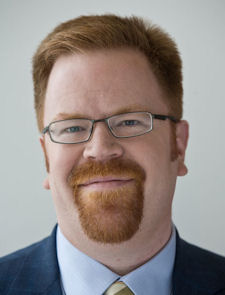
Mark Mullaly is president of Interthink Consulting Incorporated, an organizational development and change firm specializing in the creation of effective organizational project management solutions. Since 1990, it has worked with companies throughout North America to develop, enhance and implement effective project management tools, processes, structures and capabilities. Mark was most recently co-lead investigator of the Value of Project Management research project sponsored by PMI. You can read more of his writing at markmullaly.com.
You would think that managing a process improvement project would be pretty straightforward. You would think that it would be like managing a lot of other projects. You would think that it would, in fact, be a whole lot of “insert Tab A into Slot B” logical work. You would, I am afraid, be deeply wrong.
There is a great deal that, on the surface of it, would appear straightforward about process improvement. Define your current state. Identify the problems with your current state. Figure out solutions to the problems. Implement the solutions. Really, how hard can this be? Actually, it can be very, very hard.
What makes most projects straightforward and manageable is that they produce a tangible result: a building, a plant, a piece of equipment...even an information system, although that has its own complications. Process improvement projects, by contrast, are much more ethereal. There is little of the result that is tangible, and what is tangible is usually limited to documentation about intangible processes. This is not the only challenge in managing process projects, however; it is just the most obvious one.
Other problems that are inherent to the challenge of managing process improvement efforts include:
Please log in or sign up below to read the rest of the article.
|
"But the fact that some geniuses were laughed at does not imply that all who are laughed at are geniuses. They laughed at Columbus, they laughed at Fulton, they laughed at the Wright brothers. But they also laughed at Bozo the Clown." - Carl Sagan |