






Guessing is not a strategy: How to build decision velocity with AI and real-time data
June 10, 2026 | Live Webinar

You Can't Get They-ah From Hee-yah
Floating an idea into reality: the other side of the AI Project Paradox
The Environment of the Built Environment: an AI Paradox
6th, 6th Edfition, 6th Edition PMBOK, 7th Edition, 7th Edition PMBOK, 8th Edition PMBOK, 8th Edition PMBOK Guide, Activism, actuarial, actuary, adapt, addition by subtraction, Africa, africa, agriculture, airforce, ajaita, Alaska, amazon, analogous, analytics, ancient, and more power, antarctica, anti-science, apple, apps, architecture, arctic, arrakis, Artificial Intelligence, asch paradigm, Assistant, asthma, astronomy, automobile, automotive, autonomous cars, b, bankhar, Banksy Crypto, basalt, baseball, bats, batter, beauty products, benefit, benefits, Benefits Realization, beyond epica, biases, bicycle, big data, big dfata, big dig, bike, biodiversity, biomedicine, birdhouse, blockchain, blood, blue blood, blue trees, bluefin, bluefin tuna, book review, boston, boston university, Boyce, Brazil, brazil, Breakdown Structures, BS, building, buildings, built environment, built environment, bumblebee, cake, capacitor, car, Carbon, carbon, carbon capture, carbon negative, carbon neutral, carbon pool, carbon sequestration, carbonate, careers, CEO, ChatGPT, chatGPT, chatgpt, chatgpt, chess, China, china, chopsticks, citrus, cli-fi, climate, climate change, climate resilience, climeworks, Clumsy, CO2, co2, CO2 Utilization, coalition, cobalt, coffee pods, cognition, cognitive, Collabortion, colombia, concrete, Conflict, construction 5.0, cool projects xyloscope, cooling, coral, corn, cost of good quality, cost of poor quality, cost of quality, crazy, criticism of project management, cryptocurrency, CSR, csr, data, data analytics, data privacy, datacenter, dataset, death spiral, Decision Making, decomposition, Defense and Climate, definition of a project, deforestation, dependencies, dependency, desert, DIKW, dikw, dimopoulos, disposal, dna, DOD, dogs, dolphins, dream, drilling, drink, dune, dune, dutch, early start, earth, eatlocal, eco-tourism, ecological, economic, economics, EKC, electric grid, electricity, electronics, elysis, embodied carbon, emerging technologies, empower, Energy, energy efficiency, environmental degradation, escalate, escalation, ESG, extreme weather, fallacy, FARC, farming, finance, fish, fish brains, fishing, fix, fixing the earth, flint water, Flint Water Supply, flood, flooding, Food supply chain, food waste, forest, forest for the trees, forestation, forrestgump, frank herbert, Fruitcake, fungus, fusion, Galvao, garage, gas, gasoline, geese, gender equality, gender partnerships, generational differences, Generative AI, gladwell, gold, Goodness, google, Government, GPT, great pacific garbage patch, green, green building, green buildings, green energy, green iguana, green project, green project management, greening, guest post, gyre, harkonnen, Harvesting Benefits, hawasina, hedgehogs, heursitics, historical data, hlb, holitsic, holland, horseshoe crab, human-caused climate change, hydrogen, hydrology, ice, iceland, ignition, iguana, imagery, impact, india, inequality, information, initiatives, injection, insurance, intelligence, interacting risk, internal combustion engine, invasive species, investment, isomer, issue escalation, issues, ITER, jobs, Jupiter, justification, kids, kill point, knowledge, koch brothers, Kuznets, laboratory, LAL, landscape mode, lapampa, launch, LCA, Leadership, Leadership, life cycle analyses, life cycle analysis, lifecycle, Linkedin, liquid, lizard, local, long term, long-term, long-term thinking, look up, loud, maintenance, maker, makermovement, malcolm gladwell, management, marathon, marine biology, market, mars, Martin Luther King, mean, megawatt, MeHg, melting, mercury, metal, Microgrid, microplastics, migration, military, millennial, mindset, minerals, mission, mitigate, MLK, mongolia, museum, museum of london, nature, nematodes, net gain, Net Project Success Score, net zero, netherlands, network, New book, New Jersey, New Practitioners, new york, NFT, nitrogen, noise, noreaster, norway, nova, NPSS, NREL, ocean, ocean cleanup, ocean life, oil rig, oil rigs, oklahoma, oman, only murders in the building, opportunity, overall risk, oxygen, packaging, pareto, PBS, permafrost, persistence, peru, Pharmaceutical, planet, planet.com, planning, plant, plasma, plastic, playground, pm, pm education, pmbok, pmbok guide, pmnetwork, PMXPO-2018, podcast, pollutants, pollution, poop, poor, portfolio, power, power skills, privacy, privacy concerns, professors, program, Program Management, project, project leader, project leadership, project management, project management 3.0, project on fire, project progress, Project Success, project success, projecticity, projectleadership, projectmanagement, projects, psychology, pulse of the profession, purple bacteria, purpose, quiet, rainforest, rationale, reef, refugees, renewable, renewables, Repair, repair, repeatable process, repeatable processes, repurpose, research, resource breakdown strucuture, Resource Management, reversing climate change, revisionist history, rich, rigs2reefs, ripe, risk, risk avoidance, Risk Management, risk mitigation, risk response, risk responses, river, robots, rocks, rules of thumb, rural, rural India, russia, Sarcasm/Irony, satellite, saudi, schedule, sci-fi, Science, science, science-fiction, scientific american, screaming monkeys, sea, sea life, Sea-Level Rise, sea-level rise, seagreens, seawall, seawater, seawater temperature, seaweed. beat;es. farming, secondary risk, selena gomez, sequestration, shipping, skyscraper, SLR, smart cities, smart city, smelting, social, social pressure, soil, solar, solar panels, solar perovkites, solar saheli, sonic, sponge cities, SRI, stage-gate, stagegate, stakeholder, stakeholder management, steward, stewardship, storage, strategy, stupid, success, suffer, sulphur, sunk cost, supercapacitor, supply chain, survey, Sustainability, sustainability, Sustainable Investing, Sustainable Tourism, sybiosis, symbiosis, system 03, TBL, temperature, terraform, terraforming, test, threat, threats, totem, touchscreen, tour, tower, Trains, transparency, transportation, trash, tree, tree species, trees, trillion, triple bottom line, triple constraint, truth to power, UMass, us army corps of engineers, USDA, vacuum, value, venus, vision, voice, voltage optimization, vw scandal, washing machine, waste, wastewater, water, we mean business, whales, Whirlpool, wind, wisdom, women, Women in Project Management, wood wide web, woonerf, Work Breakdown Structures (WBS), world breakdown structure, worms, xian, xylotron, Yale


| [NOTE: Imaging issues from projectmanagement.com have prevented the image from appearing here. They are working on it] In Part 1 of this series I discussed the built environment as a growing practice area for project managers that really needs project leaders to take the long-term view and consider things like ‘embodied carbon’. My suggestion is that you read that short post before jumping into this one. In Part 2, I’ll cover how AI can help here and provide you with a checklist for ‘Managing Material Innovation for Reduced Embodied Carbon and to Respond to Supply-Chain Threats and Opportunities’. How AI Is Becoming a Game-Changer in Low-Carbon Material Decisions If tariffs, supply volatility, and carbon targets are changing the construction game, AI is changing how we play it. For project managers and procurement leaders, artificial intelligence is no longer a futuristic concept — it’s a practical decision-support partner that can reveal hidden carbon, predict risk, and help you lead with data-driven confidence. Below are a few ways AI is already reshaping material selection and sustainable project leadership. 1. Seeing Carbon Before You Build: AI-Driven Life Cycle Assessment Until recently, understanding the embodied carbon in materials meant waiting weeks for consultants to crunch spreadsheets. Now, AI tools can analyze thousands of materials in seconds, showing which combinations minimize both cost and carbon. Embedded into BIM and digital-twin platforms, these systems allow PMs to: Compare carbon footprints between design options in real time. Evaluate trade-offs — like whether a recycled product shipped from afar beats a locally made conventional one. Build carbon-aware budgets and schedules before procurement even begins. Leadership takeaway: You don’t need to be a data scientist. You just need to ask better questions — and AI gives you the numbers to back them up. 2. Forecasting Tariff Impacts and Supply Chain Disruptions AI’s predictive analytics can scan economic data, trade policies, and logistics trends to forecast tariff changes and material shortages months in advance. Imagine a dashboard that tells you: “Due to new import duties on steel, costs and embodied carbon are projected to rise 12% next quarter — consider switching to regional suppliers using renewable energy.” This is where sustainability meets foresight. Leadership takeaway: AI enables project managers to move from reactive procurement to proactive strategy, turning volatility into a competitive advantage. 3. Designing Out Carbon with Generative AI Generative design tools use AI to explore millions of possible configurations for a structure, optimizing strength, weight, and sustainability. They can suggest new framing layouts, alternative materials, or reinforcement patterns that reduce material use by 10–30% without compromising performance. Leadership takeaway: By bringing AI into early design conversations, PMs can literally “design out” embodied carbon before it ever enters the supply chain. 4. Verifying Supplier Credibility With hundreds of vendors now marketing themselves as “green,” AI can help project managers and procurement officers separate genuine sustainability from greenwashing. AI systems can: Scan Environmental Product Declarations (EPDs) for accuracy.Cross-check supplier claims against emissions databases.Rank vendors by verified sustainability performance and reliability. Leadership Takeaway: This reduces procurement risk and ensures your low-carbon goals survive contact with the marketplace. 5. Turning Data into Strategy: AI-Assisted Dashboards AI dashboards integrate cost, schedule, and carbon metrics into one visual decision tool. They let project leaders run “what-if” simulations — for instance: What if we use recycled steel from Supplier A versus virgin steel from Supplier B? How will that choice affect carbon totals, delivery time, and project cost? Leadership takeaway: When you can show a sponsor that a design choice both reduces embodied carbon and mitigates tariff risk, sustainability becomes part of your business case — not a cost line item. Why This Matters for Project Leaders AI won’t make sustainability decisions for you. But it gives you clarity, speed, and confidence — three things every project leader needs when balancing innovation, cost, and responsibility. In this new era, the project manager’s role is evolving from executor to strategic interpreter, Translating data into insightTurning sustainability goals into procurement strategyLeading teams through the change, not around it. That’s AI-powered leadership — and it’s exactly where project management (leadership!) meets purpose. Here’s a case study that illustrates reducing embodied carbon: Keppel Corporation, a Singapore-based property and infrastructure firm, adopted a long-term, whole-life-thinking approach to embodied carbon when it refurbished its 22-year-old Keppel Bay Tower rather than demolishing and rebuilding. Through this “sustainable urban renewal” strategy the company preserved existing structure (thereby avoiding the embodied carbon of new construction) and implemented energy-performance upgrades, smart systems and façade improvements. As a result, they estimated a saving of about 40,000 tonnes of CO? compared with a standard new build in that market. What makes this case relevant for project leadership is that the PM and programme team treated the project not as one-off construction, but as part of a longer-term asset-portfolio lifecycle. They factored in embodied carbon alongside operational carbon, aligned procurement and design with sustainability targets, and used the retrofit to build knowledge and capabilities for future renewal projects across their portfolio. Source: Reuters - How choosing renew over building new is saving Keppel money and carbon | Reuters As promised, here is the checklist you can use to help your organization reduce embodied carbon: --- Checklist: Managing Material Innovation for Reduced Embodied Carbon and to Respond to Supply-Chain Threats and Opportunities 1. Strategic Alignment & Scope Definition Confirm that sustainability and embodied-carbon goals are explicitly stated in the Project Charter. Identify specific low-carbon material targets (e.g., % of recycled content, embodied carbon per m²). Setting objectives is just as important here as it is for ‘regular’ project work like schedule, budget, and resource optimization. IMPORTANT: Map how these targets align with broader organizational ESG or net-zero goals. You should be able to make a strategic connection to these aspirations, especially since they may incur costs and schedule delays.Secure executive sponsorship—ensure the business case includes long-term value, not just cost or schedule metrics. 2. Supplier & Market Intelligence Conduct a market scan of available low-carbon material suppliers (local and international).Evaluate supplier maturity: production capacity, certification (EPD, LEED, ISO 14067), and track record. Assess tariff exposure: identify any import duties, trade barriers, or geopolitical risks affecting cost and availability.Stay up-to-date with the news, as this can change by the day (or even the hour). Build a dual-sourcing strategy where feasible (especially if tariffs or logistics disruptions are volatile). 3. Procurement & Contracting Incorporate sustainability clauses into RFPs and contracts (e.g., embodied-carbon limits, lifecycle performance). Require supplier disclosure of embodied-carbon data and sustainability certifications. Use total cost of ownership (TCO) and carbon cost in bid evaluation—not just upfront material price.Clarify responsibility for verification of carbon data—third-party audits where needed. Include contingency clauses for tariff-related cost escalation or supply disruption. 4. Planning & Risk Management Add material-innovation risk to your Risk Register early (with triggers, probability, and mitigation plans). Conduct schedule impact analysis: new materials often require extra testing, permitting, or stakeholder review. ? Plan for mock-ups or pilot testing to validate constructability and performance. Coordinate with design, procurement, and construction teams to align expectations and sequencing. Engage early with permitting authorities—new materials may need additional compliance review. 5. Execution & Quality Control Verify supplier production capacity before committing to full-scale procurement. Track delivery lead times; maintain a materials dashboard for visibility. Perform quality inspections to ensure consistency with specifications (especially for recycled or bio-based products). Monitor on-site storage and handling—innovative materials may have specific environmental sensitivities (e.g., humidity, curing time). 6. Monitoring & Reporting Implement KPIs for embodied-carbon reduction and procurement diversity. Use digital tools (BIM, LCA software) to track carbon data against baseline. Monitor tariff or policy changes weekly — and adjust sourcing strategy as needed. Communicate progress to stakeholders via sustainability dashboards or project scorecards. 7. Closure & Lessons Learned Verify and document actual embodied-carbon outcomes at project completion.Capture lessons learned on supplier performance, logistics challenges, and policy impacts.Recommend updates to procurement frameworks or PMO templates for future low-carbon projects.Celebrate and communicate sustainability success stories—this reinforces stakeholder trust and positions your team as an innovation leader. The main takeaway from this series: you have more power than you think to change the impact of your project from a sustainability perspective. Although this was mainly about the built environment, the checklist and advice can apply to many other product and service projects. In whatever your endeavors... Be a project leader. |
|
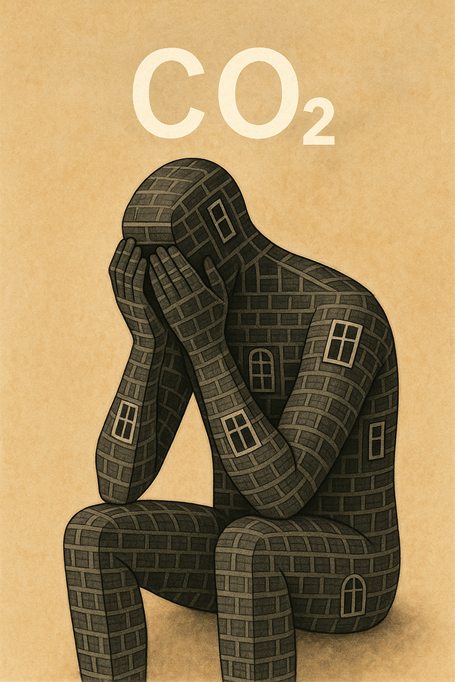
The term “built environment” is becoming a very popular way of describing the construction industry in broader terms. And the construction industry is undergoing a radical transformation. Why? Construction (or ‘the built environment’) accounts for an about 39% of energy-related CO₂ emissions when you combine operational use and embodied carbon from materials. What’s embodied carbon? When people talk about carbon in buildings, they usually think about the energy a building uses after it’s built — the lights, HVAC (Heating, Ventilation, and Air Conditioning). But embodied carbon is different. It’s the hidden carbon footprint that comes from making, transporting, and assembling all the materials that go into a building — like concrete, steel, glass, and insulation. A big part of this is selecting materials – and you can have an effect on this! For project leaders and project managers, this places material choice squarely into the realm of strategic, long-term risk, schedule impact and value creation—no longer just a technical specification item. For example, as a project manager, we could be faced with a decision to use a cheaper material which meets our needs but would involve a massive amount of embodied carbon over a slightly more expensive material that has a much lower amount of embodied carbon. A project leader could make the strategic decision to (OMG!) choose the more expensive material for the trade-off it would have in terms of embodied carbon. That tough decision may become easier, thanks to technology and the availability of quality information about materials. It's there for you. For example, you can become familiar with Environmental Product Declarations (EPDs) which help you – or your procurement manager, with your encouragement – to make these decisions. Here’s a guide on EPDs from the US Environmental Protection Agency. My suggestion: bookmark that PDF, and read on. Low-carbon construction materials—such as geopolymer concrete, recycled steel, mass timber, and bio-based insulation—are moving from “nice to have” to “must have” – and it’s becoming more available. A recent market report (see references) pegged the global low-carbon construction materials market at US$66.2 billion in 2024, projected to reach US$79.2 billion by 2030. Why? Because regulation, investor pressure, ‘green’ demands from occupants of buildings, and material innovation are aligning. Simply becoming knowledgeable about this makes you a better project leader in the 'built environment' industry. But one often under-appreciated driver is the effect of international trade and (increasingly) tariffs. How materials are sourced, imported or produced locally can dramatically shift the business case—and that is a lever project leaders must master if they want to lead, not just react – and not be that project manager that is trudging along making one tactical (non-strategic) decision after another. What is causing this shift to low-carbon materials?
Tariffs also make third-party low-carbon imports more expensive, shifting attention to locally-produced, lower-transport-carbon materials. But local sourcing itself carries risks: domestic production may be less mature, may not yet have low-carbon credentials, and may suffer supply scarcity or premium pricing. asuene.com+1
What does this mean for those who want to truly lead – and not just manage – projects? Here are some of the many ways you can do this, aligned with the project management process groups:
In Part 2 of this blog post, I will provide an illustration of how this can work, a checklist for project leaders wanting to excel in reducing embodied carbon, and some tips on how AI can help you lead in this area. Stay tuned – that’s coming by the end of the month. References: |
|
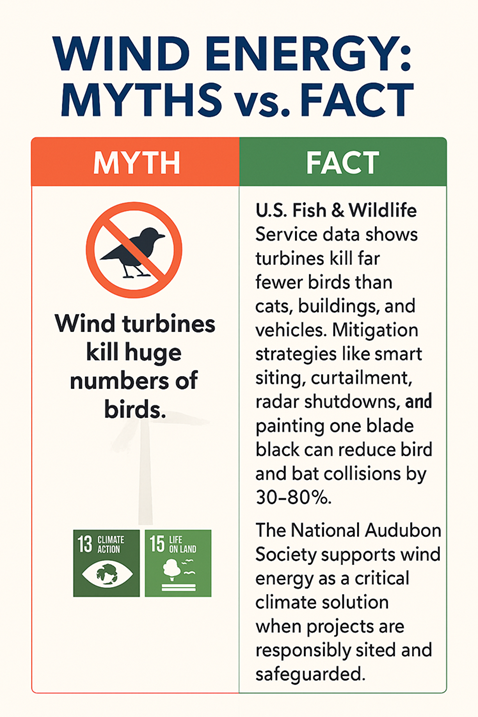
AI-R ... for AI Research, or AI-Ruins? In my last post I covered (briefly) the S1500 buoyant wind turbine, and I closed by saying I would continue the series with a bit more about wind energy from a project perspective. In this post I provide readers with the result of some back and forth with AI that yielded a set of myths and facts about wind energy that was educational for me on two fronts.
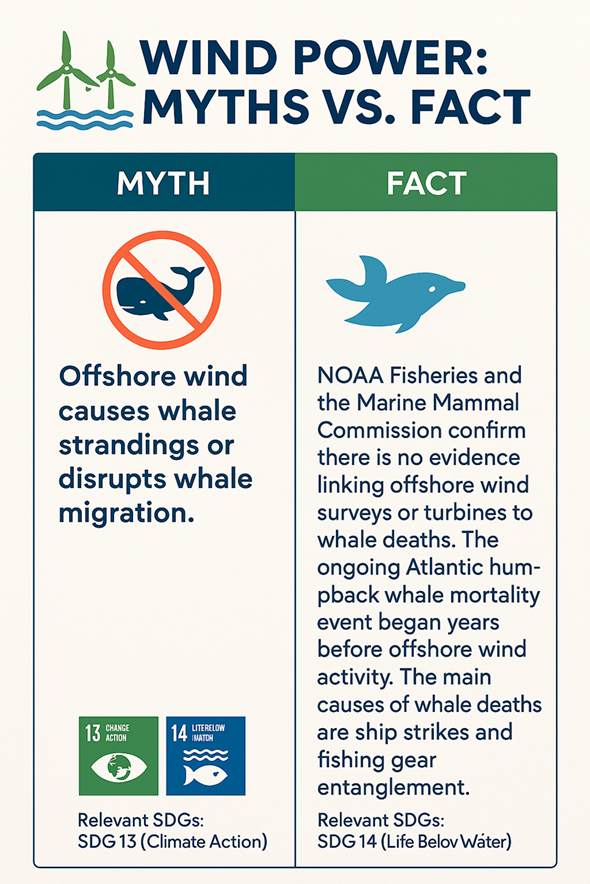
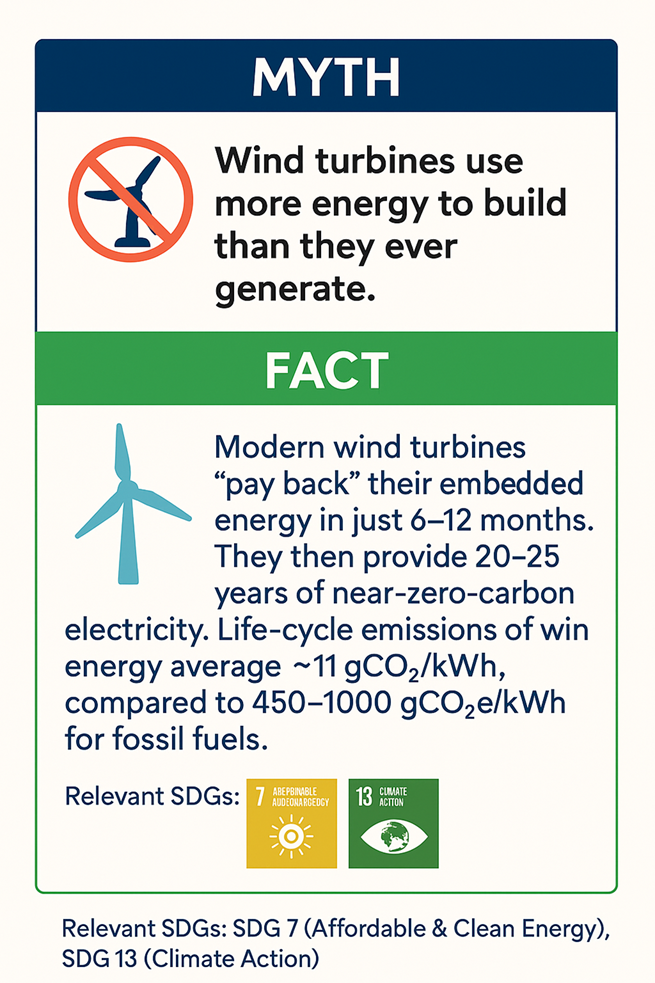
In fact, I must say, this turned out to be more of an exercise on AI use and lessons learned than on wind power. So, without further delay, here are three infographics that cover myths and facts about wind turbines (and related projects). I will comment about what it took to generate these and where AI succeeded, and where it fell down miserably. First up: Birds
Next up: Whales
Next up: Windmills are not green (??)
And lastly, I asked AI to keep the same theme and give me sources. Here it failed miserably, putting some of the valid sources under the MYTH column, counter-productive to the prompting and previous parts of the conversation.
|
|
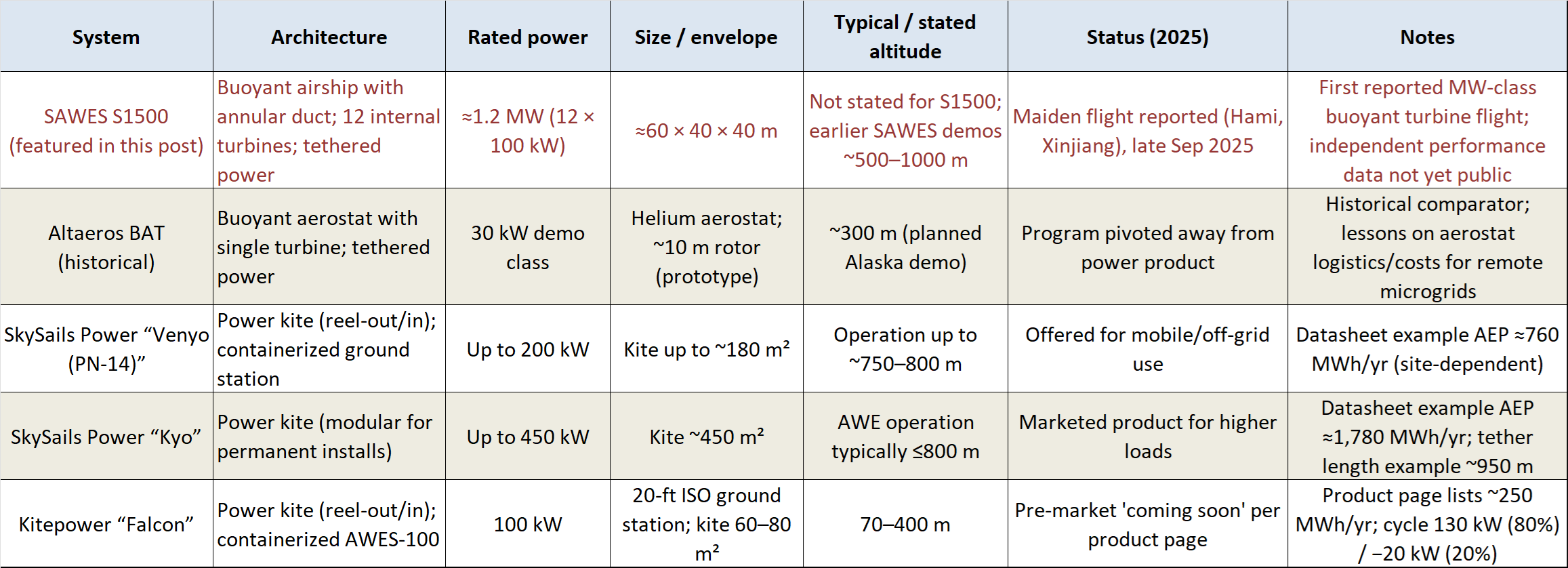
In this post I will discuss some new developments in wind power. Wind power: It has been a (in my opinion unnecessarily) controversial topic for some time, most particularly in the past 8 years or so. For example, here are some recent comments from US President Donald Trump with his opinions about wind energy: ..and here is a more ‘engineering’ -based analysis and criticism: But here, finally, is a fairly even-handed assessment from Newcastle, Australia. Frankly, in my humble opinion, if you are going to watch one - this one is worth your attention because of its balanced and fact-based approach (with - of course - some Australian sense of humor thrown in). One interesting (and cited) fact from that video is that cats kill more birds in an hour than wind turbines kill in a year. (Reference 1, Reference 2) However, despite all the hubbub over towered wind turbines, and wherever you stand - even if it is in a bird graveyard under a wind turbine, this post is about some glowering over a non-tower-power from which some may cower. China recently released very interesting news about its S1500. Most information about this project is coming from the Chinese government and it is new and not as peer-reviewed as I would like it to be. Here's a story from AviationWeek: https://aviationweek.com/aerospace/emerging-technologies/china-tests-worlds-largest-buoyant-airborne-turbine ...and a brief video about it: Given the lack of information on this new 'launch', what I have done is provided you a table that shows – from my research – what the S1500 can do (again according to what is available mostly from the government – see below) and which compares it to other non-tower wind projects.
This idea is not new, by the way. Back in 2014, MIT was touting its flying turbine. Here’s the story on that effort from MIT: https://news.mit.edu/2014/high-flying-turbine-produces-more-power-0515 I will have more about this in a second post, hopefully not full of hot air – before the end of the month. |
|
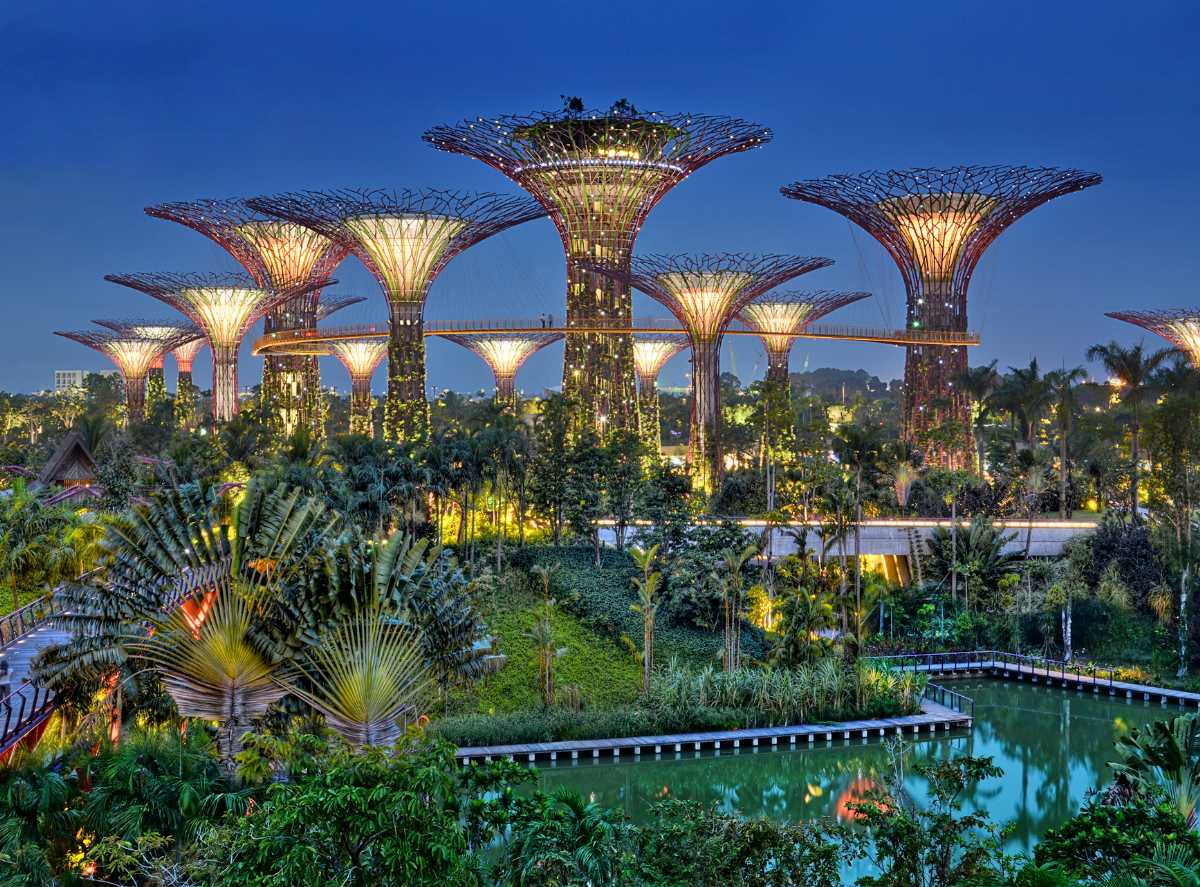
Inspired by the film, Cities of the Future (see last blog post, “An Optimist’s View of Construction Projects and Programs”), I wanted to look at the engineering, project management, and specifically to dig even further into the sponsorship and chartering of the initiatives I saw in the film. How did they get started? What was the rationale? Who were the sponsors? How did they identify the key stakeholders for inception, construction, and use? How did they get stakeholders to align? Having already covered The Edge, an amazing office building in Amsterdam, I shift here to Singapore, partially because the IMAX images of things like the Gardens by the Bay, the Marina Sands Expansion Project, and the tree-planting efforts literally evoked a collective gasp from the audience. I admit it – I was one of the louder gaspers. It turns out that these efforts (as you may have figured) don’t happen on their own. It takes a collaboration of government, industry, academia, as well as engineering prowess and, of course, great project leadership to get things like this started, done – done well, and maintained – thoughtfully. I came across an interview in ASCE’s with civil engineer Paul Lee, who was featured in the film – pretty much your tour guide to go along with John Krasinski’s narration. In the interview from ASCE’s Civil Engineering Source magazine, one particular Q and A caught my attention: CE (Q): Your own career path has not followed that of a typical civil engineer — you’ve worked as an engineer in technical and governmental policy positions. How might the civil engineers who design future cities need to expand their own experience or expertise in perhaps nontraditional ways? PL (A): A lot of times we think of civil engineering as a field that has discrete, specific areas. In school, we talk about our track or specialization, such as structural or geotechnical engineering. But more and more, from what I’ve noticed, civil engineers have greater roles and responsibilities as far as project management, planning, and policymaking. And there will be greater opportunities in which our work will be more intersectional, more policy related, more holistic. I think this speaks to the blurred lines we see even in my work at Boston University. Civil Engineers need project management (and project LEADERSHIP) skills and traits. Project Managers (and the certifications and training that go along with our field) need to know more about the technical fields in which they work. Bloomberg has produced a short video which gives some context about the drivers for these initiatives – watch it here. Singapore’s Green Plan is the portfolio of programs and projects. I think that’s worth a deeper dive. Singapore Green Plan The portfolio has 5 key pillars (we can think of these as programs).
Here is a breakdown of the key initiatives within each pillar: 1. City in Nature This pillar aims to create a greener, more livable, and sustainable home for Singaporeans by restoring nature to the urban landscape.
2. Sustainable Living This pillar focuses on encouraging Singaporeans to adopt a more sustainable way of life, with an emphasis on reducing carbon emissions and waste.
3. Energy Reset The goal of this pillar is to lower Singapore's carbon footprint by using cleaner energy and increasing energy efficiency.
4. Green Economy This pillar seeks to create new job opportunities and transform industries by leveraging sustainability as a competitive advantage.
5. Resilient Future This pillar focuses on strengthening Singapore's resilience against climate change, including addressing rising sea levels and ensuring food security.
Here’s a short summary video that covers the Green Plan, coming from the Singapore government (with more detail here). Finally, since this month’s posts have been about optimism, I leave you with an enjoyable walkthrough of Gardens by the Bay |
|
"History may not repeat itself, but it does rhyme a lot." - Mark Twain |