

 It’s not that we are changing our perspective, considering the title of our book is Green Project Management, but as you will find in our book, as well as in our webinars, courses, and real life, that it is really about sustainability. We just don’t want to limit your thinking about the process. Beside, just thinking in terms of “green” makes it sound like project managers should only be concerned with the environment. The natural environment is of concern to the project manager, of course, but sustainable project management goes way beyond that. And, we will certainly continue to focus of the environment (green) as an important part of sustainability. The title of this blog is People, Planet, Profits & Projects and could be subtitled Sustainable Project Management.
  And with all of the buzz created around the intersection of green business and project management, we wanted to be clear about where we stand. First let me say that we are grateful for all the buzz. When we first started talking about the intersection, it was a blinking yellow light, although at one point we thought that it might change to a blinking red light, first stop, then you can proceed. So we carefully approached the intersection using a combination of brakes and accelerator. Now that we’ve gotten safely through the intersection and are continuing down the road, we are still cautious of the traffic. We sometimes get caught up in our analogy, so please bear with us.

 Ocean acidity may conjure up a scene from the Wizard of Oz, when Dorothy throws a bucket of water towards the burning scarecrow and accidently hits the witch, “I’m melting, I’m melting.” But ocean acidity is much more subtle than that. A recent article in the Washington Post on-line headline “
 A recent article on


Guessing is not a strategy: How to build decision velocity with AI and real-time data
June 10, 2026 | Live Webinar

You Can't Get They-ah From Hee-yah
Floating an idea into reality: the other side of the AI Project Paradox
The Environment of the Built Environment: an AI Paradox
6th, 6th Edfition, 6th Edition PMBOK, 7th Edition, 7th Edition PMBOK, 8th Edition PMBOK, 8th Edition PMBOK Guide, Activism, actuarial, actuary, adapt, addition by subtraction, Africa, africa, agriculture, airforce, ajaita, Alaska, amazon, analogous, analytics, ancient, and more power, antarctica, anti-science, apple, apps, architecture, arctic, arrakis, Artificial Intelligence, asch paradigm, Assistant, asthma, astronomy, automobile, automotive, autonomous cars, b, bankhar, Banksy Crypto, basalt, baseball, bats, batter, beauty products, benefit, benefits, Benefits Realization, beyond epica, biases, bicycle, big data, big dfata, big dig, bike, biodiversity, biomedicine, birdhouse, blockchain, blood, blue blood, blue trees, bluefin, bluefin tuna, book review, boston, boston university, Boyce, Brazil, brazil, Breakdown Structures, BS, building, buildings, built environment, built environment, bumblebee, cake, capacitor, car, Carbon, carbon, carbon capture, carbon negative, carbon neutral, carbon pool, carbon sequestration, carbonate, careers, CEO, ChatGPT, chatGPT, chatgpt, chatgpt, chess, China, china, chopsticks, citrus, cli-fi, climate, climate change, climate resilience, climeworks, Clumsy, CO2, co2, CO2 Utilization, coalition, cobalt, coffee pods, cognition, cognitive, Collabortion, colombia, concrete, Conflict, construction 5.0, cool projects xyloscope, cooling, coral, corn, cost of good quality, cost of poor quality, cost of quality, crazy, criticism of project management, cryptocurrency, CSR, csr, data, data analytics, data privacy, datacenter, dataset, death spiral, Decision Making, decomposition, Defense and Climate, definition of a project, deforestation, dependencies, dependency, desert, DIKW, dikw, dimopoulos, disposal, dna, DOD, dogs, dolphins, dream, drilling, drink, dune, dune, dutch, early start, earth, eatlocal, eco-tourism, ecological, economic, economics, EKC, electric grid, electricity, electronics, elysis, embodied carbon, emerging technologies, empower, Energy, energy efficiency, environmental degradation, escalate, escalation, ESG, extreme weather, fallacy, FARC, farming, finance, fish, fish brains, fishing, fix, fixing the earth, flint water, Flint Water Supply, flood, flooding, Food supply chain, food waste, forest, forest for the trees, forestation, forrestgump, frank herbert, Fruitcake, fungus, fusion, Galvao, garage, gas, gasoline, geese, gender equality, gender partnerships, generational differences, Generative AI, gladwell, gold, Goodness, google, Government, GPT, great pacific garbage patch, green, green building, green buildings, green energy, green iguana, green project, green project management, greening, guest post, gyre, harkonnen, Harvesting Benefits, hawasina, hedgehogs, heursitics, historical data, hlb, holitsic, holland, horseshoe crab, human-caused climate change, hydrogen, hydrology, ice, iceland, ignition, iguana, imagery, impact, india, inequality, information, initiatives, injection, insurance, intelligence, interacting risk, internal combustion engine, invasive species, investment, isomer, issue escalation, issues, ITER, jobs, Jupiter, justification, kids, kill point, knowledge, koch brothers, Kuznets, laboratory, LAL, landscape mode, lapampa, launch, LCA, Leadership, Leadership, life cycle analyses, life cycle analysis, lifecycle, Linkedin, liquid, lizard, local, long term, long-term, long-term thinking, look up, loud, maintenance, maker, makermovement, malcolm gladwell, management, marathon, marine biology, market, mars, Martin Luther King, mean, megawatt, MeHg, melting, mercury, metal, Microgrid, microplastics, migration, military, millennial, mindset, minerals, mission, mitigate, MLK, mongolia, museum, museum of london, nature, nematodes, net gain, Net Project Success Score, net zero, netherlands, network, New book, New Jersey, New Practitioners, new york, NFT, nitrogen, noise, noreaster, norway, nova, NPSS, NREL, ocean, ocean cleanup, ocean life, oil rig, oil rigs, oklahoma, oman, only murders in the building, opportunity, overall risk, oxygen, packaging, pareto, PBS, permafrost, persistence, peru, Pharmaceutical, planet, planet.com, planning, plant, plasma, plastic, playground, pm, pm education, pmbok, pmbok guide, pmnetwork, PMXPO-2018, podcast, pollutants, pollution, poop, poor, portfolio, power, power skills, privacy, privacy concerns, professors, program, Program Management, project, project leader, project leadership, project management, project management 3.0, project on fire, project progress, Project Success, project success, projecticity, projectleadership, projectmanagement, projects, psychology, pulse of the profession, purple bacteria, purpose, quiet, rainforest, rationale, reef, refugees, renewable, renewables, Repair, repair, repeatable process, repeatable processes, repurpose, research, resource breakdown strucuture, Resource Management, reversing climate change, revisionist history, rich, rigs2reefs, ripe, risk, risk avoidance, Risk Management, risk mitigation, risk response, risk responses, river, robots, rocks, rules of thumb, rural, rural India, russia, Sarcasm/Irony, satellite, saudi, schedule, sci-fi, Science, science, science-fiction, scientific american, screaming monkeys, sea, sea life, Sea-Level Rise, sea-level rise, seagreens, seawall, seawater, seawater temperature, seaweed. beat;es. farming, secondary risk, selena gomez, sequestration, shipping, skyscraper, SLR, smart cities, smart city, smelting, social, social pressure, soil, solar, solar panels, solar perovkites, solar saheli, sonic, sponge cities, SRI, stage-gate, stagegate, stakeholder, stakeholder management, steward, stewardship, storage, strategy, stupid, success, suffer, sulphur, sunk cost, supercapacitor, supply chain, survey, Sustainability, sustainability, Sustainable Investing, Sustainable Tourism, sybiosis, symbiosis, system 03, TBL, temperature, terraform, terraforming, test, threat, threats, totem, touchscreen, tour, tower, Trains, transparency, transportation, trash, tree, tree species, trees, trillion, triple bottom line, triple constraint, truth to power, UMass, us army corps of engineers, USDA, vacuum, value, venus, vision, voice, voltage optimization, vw scandal, washing machine, waste, wastewater, water, we mean business, whales, Whirlpool, wind, wisdom, women, Women in Project Management, wood wide web, woonerf, Work Breakdown Structures (WBS), world breakdown structure, worms, xian, xylotron, Yale


|
Not as an apology, but as a way to put things in perspective, we would have preferred our book title to be reflect sustainable project management, but our publisher thought it best to title the book the way it is as a catalyst to further discussion. We are grateful that they did make that suggestion because it did start the discussion. Further, we were given a choice of covers, and we chose the one with the “money tree,” because that is what being a sustainable project manager means. It means saving precious resources when you can, thus saving the enterprise money.
We like heavy traffic when it comes to sustainable project management, we can only hope that the drivers speeding along the highway are good drivers, paying attention to the other drivers and thereby creating a good environment so that all can deliver their products safely (to keep within the analogy). However, what we’ve seen is that like anything, when a market becomes popular, more and more “trucks” enter the highway carrying products to that market. So, not to mince words any more, although you can tell by our blogs that we love analogy and puns, make sure that the training you signed up for is the training you receive. If you want to know about green/sustainable project management, there is a right way to go about it and a wrong way to go about it. In the world of PM, there are many, many initials and credentials you can get; PMP, PMI-ACP, Prince2® Certification, Masters Certificates in Project Management from various colleges and universities, etc. The key message here is that these certificates and credentials are “sanctioned” by careful consideration of course content. In the case of PMP, for example, a rigorous course of study and document experience is evaluated by the Project Management Institute, a not-for-profit organization chartered for the purpose of forwarding the discipline of project management. Right now, there is no such organization for sustainable/green project management. Although ISIS-PM, still in its infancy, it is intended to do just that. And, it takes a long time to put something like this together with the integrity, rigor and discipline that it deserves. Stay tuned for more information on ISIS-PM in the coming months. In the meantime, we echo the words of Sgt. Phil Esterhaus, from the television show Hill Street Blues, “Let’s be careful out there.” |
|
John S. Hoffman, an innovative US Environmental Protection Agency (EPA) official, died late last month. We'd like to take a moment to point out some of his work and connect it to our discipline - project management. In the US, Hoffman was responsible for Energy Star. One of his quotes really impressed us - he wrote this in 1992: "profitably prevent pollution...using voluntary market enhancing programs" Here's a little blurb about how that got started: Legend has it that ENERGY STAR began 20 years ago after Hoffman conducted an informal walk-through of EPA offices. He wanted to see if employees remembered to turn off their computers when they left their workstations. He was not pleased with what he saw. He figured that if many of his staff members – who were well aware of the link between energy use and greenhouse gas emissions – forgot or found it too inconvenient to shut off their computers, the situation in the general population was far worse. He thought that a technical solution was needed – a way to automatically power down computers when not in use. And thus, a “star” (or at least a twinkle of a star) was born. Source: http://ase.org/efficiencynews/memoriam-john-s-hoffman-father-energy-star It worked - and continues to work. This program, according to an editorial in today's Boston Globe has saved $230 billion in electrical bills and has avoided 1.7 billion metric tons of carbon emissions in the US alone. Hoffman's goal - and this is strangely reminiscent of our own blog title - was to "profitably prevent pollution, including greenhouse gases, using volutary market enhancing programs". His programs were instituted with no cost to consumers. The connection we see to project management is multi-faceted. First, the institution of these programs were projects in and of themselves. Secondly, this shows what one change agent (and we, as PMs are nothing if not change agents) can do. Thirdly, this shows how partnerships of government, industry, and consumers can be built to further a program objective. We as project managers do this routinely for our projects. We can learn from Mr. Hoffman's inspiring work, not only the focus on the environment, but the pure intelligence of consortium-building that he demonstrated.
20,000 organizations now participate in Energy Star programs. These organizations have had a huge impact on people. They have helped reduce the impact of energy-hungry devices on the planet. They have helped companies save money and increase profit. And they have launched many successful progrmas and projects. So you see the connection and the reason we choose to pay tribute to Mr. Hoffman's legacy here. Get more detail about this "warrior for the ages" (Boston Globe Editorial, today, 16-October-2012) at these sites: |
|
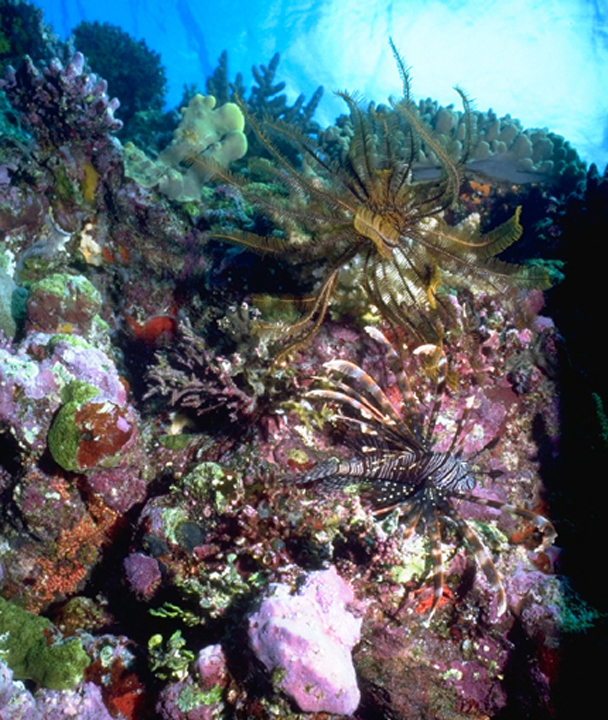
NOAA’s major concern is with the threat to U.S. fisheries in the region (The North West and Alaska) due to “human-generated carbon emissions” making the ocean’s waters more acidic. According to article, the oceans absorb about 30% of the carbon dioxide we put in the air. Presently, the sea is 30% more acidic that before the industrial revolution, and it is predicted that at the current rate of global carbon emissions, the oceans acidity could “double by 2100.” In other words, pH levels are dropping. The falling pH levels could affect the nervous systems of some species of fish making them more vulnerable to predation, and inhibit the growth of reefs, important nurseries. Some areas are more vulnerable than others. For instance, along the Pacific shelf, deeper water comes up and spills over the shelf. Increasing acidity levels in this water. That increased acidity is killing oyster larvae farmers are growing. Oyster farmers off the coasts of Washington and Oregon recognized this potential issue early and were able to institute projects to to time their intakes of water to reduce the results from this upwelling. As a result, and if we look at the cost-benefit for this project, “a $500,000 investment in pH monitoring equipment, saved the oyster industry $34 million in one year (2011).” That’s a ratio we can certainly live with. The domino effect of these issues is sometimes not so obvious. But in this case, the spat (the term for the oyster larvae) are used by oyster farmers as far away as Homer, Alaska. A loss of those spats has industry wide ramification. Another project spawned (excuse the pun) from the research is the placing of 4 pH monitoring buoys throughout the state of Alaska to study the pH along the Alaskan shoreline. However, it is a fair-and-balanced study. Scientists are also studying the effect of lower pH on surf smelt, a species particularly suited to thrive in lower pH environment, and the Dungeness crab that does not do well in low pH. The Commonwealth of Virginia has funded a project for six shellfish hatcheries to monitor the water chemistry of the Chesapeake Bay to study the effects of fertilizer runoff, another potential for contributing to water acidity. But we think that this statement brings it home, not only to business, but to the microcosm of business we call project management: “When you ask why does ocean acidification matters, often we’re interested because of the fish we eat and the things we make money off of,” said Shallin Busch, a research ecologist at the NOAA’s Northwest Fisheries Science Center in Seattle, Washington. |
|
One of the articles, "A perspective-based understanding of Project Success", covered the topic very well. But we couldn't leave well-enough alone. We think the authors did an outstanding job of capturing how we must, as a discipline, move from PROJECT to PRODUCT to ORGANIZATIONAL dimensions as we think about our work and our projects' successes. But we think we, as project managers, have to think even further. This is represented by the "breaking through" of the dotted line we show on the right of the diagram. The intent is to show that even if we think beyond the project, and to the product in steady-state, and the portfolio of projects, and the organization, we still need to think in terms of the overall environment, and long-term effects of the product of the project. We assert that this even-further-extended thinking will assist project teams in doing an even better job at identifying and handling environmental risks, amongst other things. At this point, we just would like your opinion(s) about this visualization of thie issue. What do you think? Is it a success? |
|
The article in GreenBiz is about Interface sharing some pointers on how they are achieving sustainability. Being fishermen, what caught our eye was their partnership the Zoological Society of London (ZSL) to address a major problem we’ve seen firsthand, the abundance of discarded fishing nets and nets affect on the oceans fish and wildlife. A couple of years ago, one of EarthPM founders was instrumental in the rescue of an injured Harp Seal that washed up on a beach in southern Maine. The conclusion by the fish and wildlife biologist involved in the rescue was that the seal had been caught in nylon net around its mouth and while it was now free of the net, the fabric caused some abrasions around the seal's mouth casuing an infection. The seal was taken to the Mammal Stranding Center in Woods Hole, MA and was successfully treated and released back into the wild. The problem is not only here in New England, but also worldwide, particularly in some of the poorest nations. Therefore, the Philippines was chosen for the site of the pilot project. From “Turning Old Fish Nets into New Carpet” by Julie Stein “This is a good place to begin since the Philippines is considered the centre of the centre of marine shore fish biodiversity, and Danajon Bank is in the centre of the Philippines. Formed over 6000 years ago, it is one of the few documented double barrier reefs in the world. The discarded fishing net problem is acute here. The Bank sprawls across nearly 130 kilometers and it is estimated that the nets discarded each year here could cover the length of the Danajon Bank 400 times over.” Interestingly enough, the nylon used to make some of the fishing nets is the same as the nylon used to make carpeting. It doesn’t seem to be much of a stretch to think that the net nylon can be recycled into carpet fiber. It might be that the original project, designing and manufacturing efficient and effective fishing nets, could have benefited from the long term approach we advocate. In other words, perhaps the project could have been made more successful by thinking of the ultimate disposal of the nets during the upfront planning, thereby having the recycling effort in place when needed. We know that is a little controversial as the traditional project management thinking is that once the project is handed over to operations (steady state) that the project manager’s job is done. We advocate a slightly different philosophy, one we believe is more sustainable, but that’s a discussion for another day. To return to “Net-Works,” as the pilot effort in the Philippines is called. It also addresses the triple bottom line: people, planet, profits in that the project seeks to protect the fragile reefs, provide local jobs during the cleanup effort and by using recycled material, help Interface’s bottom line. As we see it, it is a win-win! |
|
"Never look at the trombones, it only encourages them." - Richard Strauss |