



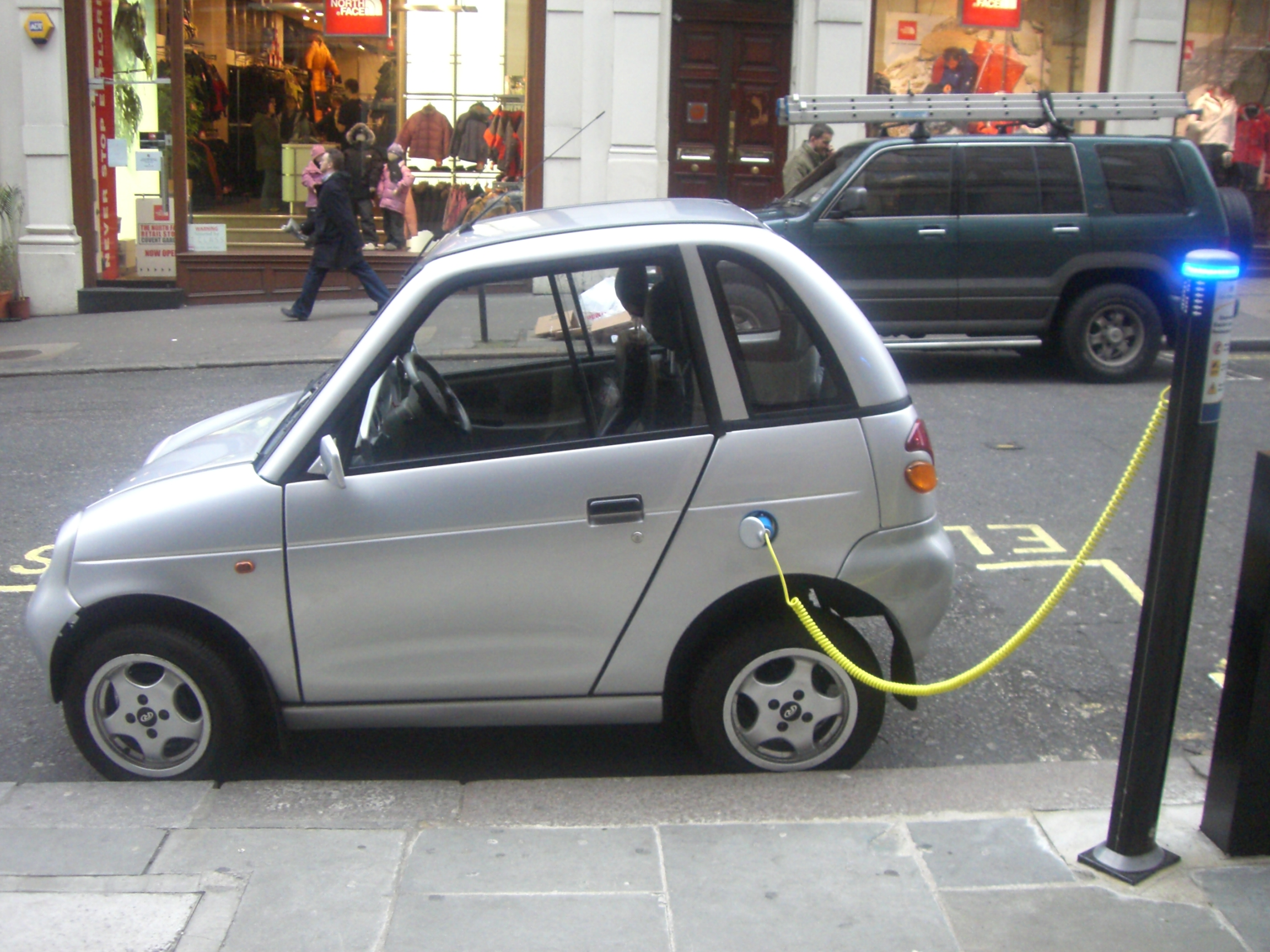
 I recently saw an advertisement from our local electric utility. It showed electrical plugs being plugged into power strips, outlets, etc. The message was that electric usage will be here for a long time. The message certainly wasn’t about energy conservation as it was about the fact that we will continue using a lot of it. What caught my eye, though, was in the last scene, the worker, with hard hat and all, is shown plugging in a Chevy Volt with the utilities name emboldened on the door. It got me thinking about electric cars and the polarized factions for and against. So I wondered, what is really happening with electric cars worldwide.
 ean Energy Ministerial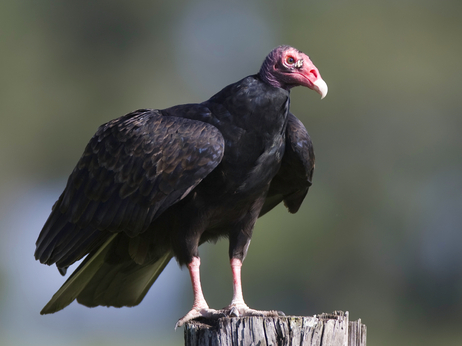



Guessing is not a strategy: How to build decision velocity with AI and real-time data
June 10, 2026 | Live Webinar

You Can't Get They-ah From Hee-yah
Floating an idea into reality: the other side of the AI Project Paradox
The Environment of the Built Environment: an AI Paradox
6th, 6th Edfition, 6th Edition PMBOK, 7th Edition, 7th Edition PMBOK, 8th Edition PMBOK, 8th Edition PMBOK Guide, Activism, actuarial, actuary, adapt, addition by subtraction, Africa, africa, agriculture, airforce, ajaita, Alaska, amazon, analogous, analytics, ancient, and more power, antarctica, anti-science, apple, apps, architecture, arctic, arrakis, Artificial Intelligence, asch paradigm, Assistant, asthma, astronomy, automobile, automotive, autonomous cars, b, bankhar, Banksy Crypto, basalt, baseball, bats, batter, beauty products, benefit, benefits, Benefits Realization, beyond epica, biases, bicycle, big data, big dfata, big dig, bike, biodiversity, biomedicine, birdhouse, blockchain, blood, blue blood, blue trees, bluefin, bluefin tuna, book review, boston, boston university, Boyce, Brazil, brazil, Breakdown Structures, BS, building, buildings, built environment, built environment, bumblebee, cake, capacitor, car, Carbon, carbon, carbon capture, carbon negative, carbon neutral, carbon pool, carbon sequestration, carbonate, careers, CEO, ChatGPT, chatGPT, chatgpt, chatgpt, chess, China, china, chopsticks, citrus, cli-fi, climate, climate change, climate resilience, climeworks, Clumsy, CO2, co2, CO2 Utilization, coalition, cobalt, coffee pods, cognition, cognitive, Collabortion, colombia, concrete, Conflict, construction 5.0, cool projects xyloscope, cooling, coral, corn, cost of good quality, cost of poor quality, cost of quality, crazy, criticism of project management, cryptocurrency, CSR, csr, data, data analytics, data privacy, datacenter, dataset, death spiral, Decision Making, decomposition, Defense and Climate, definition of a project, deforestation, dependencies, dependency, desert, DIKW, dikw, dimopoulos, disposal, dna, DOD, dogs, dolphins, dream, drilling, drink, dune, dune, dutch, early start, earth, eatlocal, eco-tourism, ecological, economic, economics, EKC, electric grid, electricity, electronics, elysis, embodied carbon, emerging technologies, empower, Energy, energy efficiency, environmental degradation, escalate, escalation, ESG, extreme weather, fallacy, FARC, farming, finance, fish, fish brains, fishing, fix, fixing the earth, flint water, Flint Water Supply, flood, flooding, Food supply chain, food waste, forest, forest for the trees, forestation, forrestgump, frank herbert, Fruitcake, fungus, fusion, Galvao, garage, gas, gasoline, geese, gender equality, gender partnerships, generational differences, Generative AI, gladwell, gold, Goodness, google, Government, GPT, great pacific garbage patch, green, green building, green buildings, green energy, green iguana, green project, green project management, greening, guest post, gyre, harkonnen, Harvesting Benefits, hawasina, hedgehogs, heursitics, historical data, hlb, holitsic, holland, horseshoe crab, human-caused climate change, hydrogen, hydrology, ice, iceland, ignition, iguana, imagery, impact, india, inequality, information, initiatives, injection, insurance, intelligence, interacting risk, internal combustion engine, invasive species, investment, isomer, issue escalation, issues, ITER, jobs, Jupiter, justification, kids, kill point, knowledge, koch brothers, Kuznets, laboratory, LAL, landscape mode, lapampa, launch, LCA, Leadership, Leadership, life cycle analyses, life cycle analysis, lifecycle, Linkedin, liquid, lizard, local, long term, long-term, long-term thinking, look up, loud, maintenance, maker, makermovement, malcolm gladwell, management, marathon, marine biology, market, mars, Martin Luther King, mean, megawatt, MeHg, melting, mercury, metal, Microgrid, microplastics, migration, military, millennial, mindset, minerals, mission, mitigate, MLK, mongolia, museum, museum of london, nature, nematodes, net gain, Net Project Success Score, net zero, netherlands, network, New book, New Jersey, New Practitioners, new york, NFT, nitrogen, noise, noreaster, norway, nova, NPSS, NREL, ocean, ocean cleanup, ocean life, oil rig, oil rigs, oklahoma, oman, only murders in the building, opportunity, overall risk, oxygen, packaging, pareto, PBS, permafrost, persistence, peru, Pharmaceutical, planet, planet.com, planning, plant, plasma, plastic, playground, pm, pm education, pmbok, pmbok guide, pmnetwork, PMXPO-2018, podcast, pollutants, pollution, poop, poor, portfolio, power, power skills, privacy, privacy concerns, professors, program, Program Management, project, project leader, project leadership, project management, project management 3.0, project on fire, project progress, Project Success, project success, projecticity, projectleadership, projectmanagement, projects, psychology, pulse of the profession, purple bacteria, purpose, quiet, rainforest, rationale, reef, refugees, renewable, renewables, Repair, repair, repeatable process, repeatable processes, repurpose, research, resource breakdown strucuture, Resource Management, reversing climate change, revisionist history, rich, rigs2reefs, ripe, risk, risk avoidance, Risk Management, risk mitigation, risk response, risk responses, river, robots, rocks, rules of thumb, rural, rural India, russia, Sarcasm/Irony, satellite, saudi, schedule, sci-fi, Science, science, science-fiction, scientific american, screaming monkeys, sea, sea life, Sea-Level Rise, sea-level rise, seagreens, seawall, seawater, seawater temperature, seaweed. beat;es. farming, secondary risk, selena gomez, sequestration, shipping, skyscraper, SLR, smart cities, smart city, smelting, social, social pressure, soil, solar, solar panels, solar perovkites, solar saheli, sonic, sponge cities, SRI, stage-gate, stagegate, stakeholder, stakeholder management, steward, stewardship, storage, strategy, stupid, success, suffer, sulphur, sunk cost, supercapacitor, supply chain, survey, Sustainability, sustainability, Sustainable Investing, Sustainable Tourism, sybiosis, symbiosis, system 03, TBL, temperature, terraform, terraforming, test, threat, threats, totem, touchscreen, tour, tower, Trains, transparency, transportation, trash, tree, tree species, trees, trillion, triple bottom line, triple constraint, truth to power, UMass, us army corps of engineers, USDA, vacuum, value, venus, vision, voice, voltage optimization, vw scandal, washing machine, waste, wastewater, water, we mean business, whales, Whirlpool, wind, wisdom, women, Women in Project Management, wood wide web, woonerf, Work Breakdown Structures (WBS), world breakdown structure, worms, xian, xylotron, Yale


|
We kick off our August posts with an inspiration, via Wired magazine, regarding food, and we illustrate it with pictures from two Broadway shows which connect us to the topic. Food, glorious food... (Oliver) To Life!!!! (Fiddler on the Roof) We're talking about a new, sustainable restaurant and catering business founded by Mike Roberts, former president and COO of McDonalds. Lyfe Kitchen's ambition is to open hundreds of restaurants around the country, in the span of just five years. Lyfe is an acronym for Love Your Food Everyday. From the article: Lyfe’s aim is not just to build a radically sustainable, healthy brand of fast food. The former Golden Archers hope to transform the way the world produces organic ingredients, doing for responsibly grown meat and veggies what McDonald’s did for factory-farmed beef. These days, the utopian vision of responsible agriculture is premised on a return to small and slow. If Roberts is right, though, we’ll have to swallow a paradox as preposterous as a vegan Whopper: The nirvana of eco-gastronomy may at long last be attained, but only thanks to the efficiencies of supply-chain management.
And like our story ("A Chip Called Wanda") right here at Projects At Work, about the Walker's Potato Crisp, Lyfe Kitchen is using techniques that we recommend our project managers pay attention to (this one happens to be about chickens...): The new poultry supply chain is not just about procuring as much chicken meat as quickly and cheaply as possible. It’s about delivering wholesome chicken from birds that are fed hormone-free food and raised on farms that don’t produce the environmental degradation of a Tyson or Perdue. For example, as a general rule the poultry industry cools its slaughtered chickens in chlorine water baths—which not only affects the flavor but delivers more absorbed water to the consumer. Lyfe’s poultry supplier, Mary’s Chickens, has figured out a superior way to cool its birds—surround the whole production line with chilled air as they pass through. “It’s better for food safety,” says Jim Campbell of Synergy Restaurant Consultants, the company Roberts has hired to source most of Lyfe’s ingredients. “You’re not mixing all these chickens in a bath of water, where contamination can occur. And you’re saving 30,000 gallons of water a day.” Changes in process....adapting long-term thinking...considering the holistic when aiming at a deliverable...thinking about operations and the steady-state of the operation and not just the project's product ...these are the true aspects of green and sustainability thinking. While having the burger wrapper made of recycled papers is also a good thing, too many businesses - and too many project managers - stop there, thinking they have 'ticked the green box' and 'done the right thing'. Well, they have indeed scratched the surface but they haven't really embraced sustainability the way we see it - and the way that Lyfe and others (such as Interface/FLOR) have done. The article has only been posted on Wired for a few days and it already has 56 comments. So it's got the attention of that community. Given that we're just starting up August, we'd also like to get you interested in a conversation on sustainability in PM. Gantthead has featured Green PM as its August 2012 theme. Please see (and join the conversation) at this article. Maybe after a little snack... |
|
Well, you have to admit it's a better blog title than: Halftone gel lithography for photo-patterning polymer gel sheets. In our research on sustainabiity, we have often come across elements of the new science (well, it's not that new, but it has a new name) of biomimicry. Biomimicry has been described as "the quest for innovation inspired by nature". Notice the number of times that Janine Benyus, the leader of the Biomimcry Institute uses the word "project" when she discusses, in the video below, how biomimicry impacts sustainability technology.
We were inspired for this post, however, by a unique and recent discovery at the University of Massachusetts, Amherst, which does indeed come under the technical title, "halftone gel lithography for photo-patterning polymer gel sheets". From this article in Science Daily, here is a summary of what this is all about: ScienceDaily (Mar. 8, 2012) — Inspired by nature's ability to shape a petal, and building on simple techniques used in photolithography and printing, researchers at the University of Massachusetts Amherst have developed a new tool for manufacturing three-dimensional shapes easily and cheaply, to aid advances in biomedicine, robotics and tunable micro-optics. Ryan Hayward, Christian Santangelo and colleagues describe their new method of halftone gel lithography for photo-patterning polymer gel sheets in the current issue of Science. They say the technique, among other applications, may someday help biomedical researchers to direct cells cultured in a laboratory to grow into the correct shape to form a blood vessel or a particular organ. "We wanted to develop a strategy that would allow us to pattern growth with some of the same flexibility that nature does," Hayward explains. Many plants create curves, tubes and other shapes by varying growth in adjacent areas. While some leaf or petal cells expand, other nearby cells do not, and this contrast causes buckling into a variety of shapes, including cones or curly edges. A lily petal's curve, for example, arises from patterned areas of elongation that define a specific three-dimensional shape. The implication to projects and to sustainabiity, is immense. This may mean that a biomedical research project will be able to direct cells cultured in a laboratory to grow into the correct shape to form a blod vessel or even an organ. And with the ability to manufacture three-dimensional shapes easily, quickly, and cheaply, the possibilities for projects - and project managers - and sustainability - are nearly endless. UPDATE:
Almost forgot this other great application of biomimicry - Geckskin. Read the article here. Fascinating. Think of the projects! It will literally have you climing the walls. You can learn much more about biomimicry at the Biomimicry Institute. Enjoy. And feel free to mimic (share) this post with fellow project managers or other interested mockers! |
|
Leapfrogging from our last post, "Plug or Play", in which the electric utilities communicate to their customers that electric use will be around for a long time, and keeping in mind that moving to electric vehicles (although a good thing) will also transfer a large load of electric demand on the generation of electricity, what's being done to make sure that the electric utilities generate their power from renewables, rather than fossil fuels? And, what role does - or should - government have in that motivation? They're unlikely to do it themselves, especially if the profit margins are lower and/or they have to charge us more for their product, right? With that in mind, we'd like to draw your attention to an article from today's Cape Cod Times - a short one - and have you read that and let us know what role you think the government should have in 'persuading' electric utilities to move towards renewables. As you see from the article, this generates (excuse the pun) work for project managers. Here is the link. Please read the article, "Green Energy Gets a Boost", and come back here when done. (Humming sound from author) (A little more humming, follwed by a tapping of fingers on the desktop) (More humming, and a yawn...) Oh, good. You're back! You read the article, right? *Sigh*, if you didn't read the article (tsk, tsk), here is a snippet that will help you finish this post with at least some sense of satisfaction: The bills, now before a conference committee, increase the amount of electricity from renewable energy projects that can be sold back into the grid. Both require a more than doubling of the renewable energy utilities must buy. Buying the power would require competitive bidding, a measure that is considered a response to the noncompetitive process used by Cape Wind to sell more than 75 percent of the power from the proposed Nantucket Sound wind farm to NStar — now owned by Northeast Utilities — and National Grid. When Cape Wind entered into contracts with the two utilities it was allowed to do so without going out to bid. So, what do you think? Is this a good role for government? Do you think, that as we wait for renewable energy sources to come down in price, the government should incentivize the utilities to buy renewable energy? Should the government, instead, be incentivizing companies to work on new ways to generate renewable energy more inexpensively? Or both? We'd love to hear from you. If you have the energy. |
|
According to Cl There are pilot cities that are participating in the deployment. It just so happens that there is a recent (May 2012) publication called the EV City Casebook, A Look at the Global Electric Car Movement. It highlights cities like Amsterdam, Berlin and Hamburg, Portland, Oregon, New York City, LA, Shanghai, and areas like the Research Triangle in North Carolina, Goto Islands, Japan, and North East England as being on the leading edge. That’s the good news. However, looking closer at the Casebook it shows that to date there is little progress toward the goal. The US is looking to put 1 million electric cars on the road by 2015. In a report in Forbes in June, the number 3.5 million by 2015 is being floated. 3.5 million is a long way from 20 million. However, the EV City Casebook does a great job looking into the individual cities and their relationship to sustainability. For instance, take Amsterdam. There is an expectation that by 2040, “nearly all kilometersdriven will be powered with electricity generated by windmills, solar panels and biomass plants. The canals will be filled with silent electric boats. Cargo will be transported over the road and water using electric power. The city will even smell better and sound quieter thanks to electric transport. Fossil fuels will be unnecessary when travelling in the city. Harmful emissions will be dramatically reduced, as will the costs of electric transport. All of this will make Amsterdam an attractive city in which to live, work and play —all thanks to developments that are being put in motion today.” Amsterdam, with a population of 780,000+ expects to have 10,000 EVs on the road by 2015. One thing that particularly caught my eye in the section on the city of Hamburg, Germany, was a highlighting of the lessons learned;
The electric car, or should I say an electric car, has been designed, developed, and implemented, but the project does not end there. There has to be a wider spread acceptance. Countries are looking into various incentives to encourage the purchase and usage of EVs. Perhaps one day we will be able to have better smelling and quieter cities. And remember, we think that part of the project should be to consider the effects and methods of generating the power so that there is something coming down the line when the EVs are plugged in to charge. We also think that the project include the ultimate method of disposal of all of the EV after its useful life (batteries included in this case). |
|
When you think about recycling, you probably think about an empty water bottle, an egg carton, and today's newspaper. The remains of the day, so to speak. But you could also think about one of nature's best recyclers - the vulture. And they are pretty good at recycling the 'remains of the day'. In an excellent posting on an excellent blog - "Krulwich Wonders" - Robert Krulwich writes about these amazing birds and their ability to reduce the remaining meat from dead animals to nearly nothing and to return nutrients back to the Earth. Krulwich says: "the bulk of the cleanup goes to the hero of my tale, nature's prize janitor — hard-working, efficient, unbeloved, unadmired and now down on its luck. I am talking about the vulture. The vulture needs a little bit of love ... ... not only because these busy birds clean up giraffes (and hippos and gazelles and lions in Africa) weighing, by one estimate, about 12 million kilograms, or the weight of about 200,000 men — but because they do it all over the world, gobbling up dead goats, cows, deer, rats at no charge, recycling that flesh back into other living things and then into the Earth. They are built for this work. They will spot a corpse from high in the sky, swoop down, then cautiously approach, while tens, then hundreds of other vultures, seeing a gathering, will join in. If the meat is getting a little skanky, they don't care. The have a digestive system that can handle bacterial biotoxins. Rotten meat doesn't make them sick. And if they get covered in blood and body parts, that's a plus, because the odor keeps lions and other enemies away. What's more, because their diet probably makes them taste bad, says biologist Bernd Heinrich, "few animals eat them." However, there's a problem. And it has to do with the product of a project. This particular project was to introduce the drug diclofenac for agricultural use in protecting cows in India and Pakistan from immflamatory diseases. The drug had been used in humans for decades without a problem but things changed when it was used on livestock. Again, from Krulwich: But the worst news is that vultures now have a drug problem. In Asia, where (in Hindu countries) cows are allowed to roam and die, where there are elephants, goats, monkeys and rats, vultures have held on, especially the white-rumped vulture. For centuries, the vulture was everywhere, living comfortably near human cities. Then, 20 years ago, very suddenly, it began to vanish. The collapse was so sudden, by the 1990s, biologists counted fewer than 10,000 individuals, mostly in Cambodia. What happened? It turns out that an American drug developed to protect cattle had become popular in Asia. It's an anti-inflammatory medicine called diclofenac. When vultures descended onto a diclofenac-infused cow, many of them suffered kidney failure. So many vultures feast on a single cow that just one feed can poison hundreds and hundreds of birds. The decline in the vulture population is one of the steepest ever seen in any bird. And here is some reinforcing info from a news story on this subject form Bird Life: In India, vultures have traditionally disposed of carcasses in cities, villages and the countryside, reducing the risk of disease and helping with sanitation. With the vultures gone, carcasses are likely to take much longer to be stripped, increasing the risk to health. Feral dogs are filling the scavenging void, and their growing numbers also increase risks to human health and safety: they are carriers of rabies. Here we see that the problem comes back and (excuse the pun) bites us humans, not only in the remvoal of an important piece of the mechanism nature uses to return nutrients to the Earth but also with the secondary risks of the un-eaten carcasses and new problems introduced by feral dogs. So what does this have to do with project managment and sustainability? The connections are there on two levels. First, there are the direct project implications of finding new drugs that will work with cows but still have low, or no, impact on the vulture population; and there is the direct connection in terms of research projects to narrow the cause to diclofenac. But there is also the higher level connection with regards to the product of the project - which was to expand the use of diclofenac to livestock. Did the project take into account the long-term use of the drug and its ramifications? Did the project take into account the entire natural system in which it was to be deployed? These are the questions that we assert that project managers need to ask. If you will allow us a bit of humor in this very serious topic, we need to think about the way that the project's product will - ahem - carrion. |
|
A mind once stretched by a new idea never regains its original dimensions. - Anonymous |