The Quest for Good Governance: Building Better Sponsors
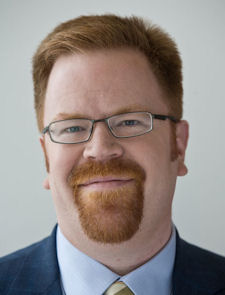
Mark Mullaly is president of Interthink Consulting Incorporated, an organizational development and change firm specializing in the creation of effective organizational project management solutions. Since 1990, it has worked with companies throughout North America to develop, enhance and implement effective project management tools, processes, structures and capabilities. Mark was most recently co-lead investigator of the Value of Project Management research project sponsored by PMI. You can read more of his writing at markmullaly.com.


I recently met with the executive team of a public sector organization that was hoping to improve its project management capabilities. The problems they encountered with their projects certainly weren’t unfamiliar to many organizations--projects routinely ran late, over budget, were subject to constant and significant change, were under-resourced and frequently failed to deliver on their hoped for expectations.
Having taken the time to do an in-depth assessment of the organization, including interviewing project managers, team members and senior executives, however, a couple of conclusions became inescapably obvious. Firstly, even if they were to improve how project managers performed their role--through training, better process or templates--it wouldn’t make a difference to project performance. Secondly, this organization didn’t have a project management problem--it had a project governance problem.
The essence of this situation is that regardless of how project managers attempted to perform their role--and some had quite a capable track record--the organizational decision-making style completely co-opted the ability of any one person to get a project delivered well. Sponsors and executives in the organizations reserved the right to change priorities, shift expectations, starve projects for resources or ignore whole stakeholders in setting …
Please log in or sign up below to read the rest of the article.
ADVERTISEMENTS
|
The truth is more important than the facts. - Frank Lloyd Wright |


