





Guessing is not a strategy: How to build decision velocity with AI and real-time data
June 10, 2026 | Live Webinar
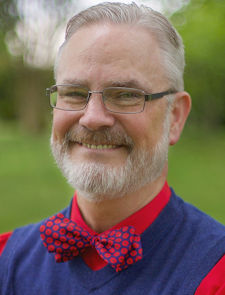
Richard A. McConnell holds a doctorate of Management in Organizational Leadership from the University of Phoenix. He served in the Iraq War as a U.S. Army Major. He retired as a Lieutenant Colonel in 2010. He is currently a professor in the Department of Army Tactics U.S. Army Command and General Staff College at Fort Leavenworth, Kansas.
On 21 October 2003, during the Iraq War, a U.S. Army convoy called Alpha Battery came under attack in the city of Fallujah, Iraq. Two trucks were hit with small arms fire and improvised explosive devices (IEDs), guerilla tactics that were a hallmark of the Iraqi insurgency.
In an outstanding display of bravery, the platoon leader confronted a hail of bullets to lead the two trucks to link back up with the battery on the other side of the city. Several men involved were awarded Army Commendation medals with “V” devices, which recognizes soldiers who perform acts of heroism in combat.
After the attack, I sat with the men for several hours with the combat stress team to try to come to terms with what they had endured. In addition to addressing what had happened, we also needed to think of ways to mitigate these attacks in the future.
As I wrote in my personal journal a few months later:
I sat with Alpha for several hours with the combat stress team to try to come to terms with the incredible things they had endured in Al Fallujah. It was intense, it was wrenching, and I felt like I would feel if I found out suddenly that someone had tried to kill a relative of mine—it is personal.
So, what do we do now? We are trying to transport captured enemy ammunition all over the Sunni Triangle in soft-skin vehicles. The enemy does not need to use their …
Please log in or sign up below to read the rest of the article.
|
"I never forget a face, but in your case I'll make an exception." - Groucho Marx |