Megaprojects as Forerunners: What Large-Scale Projects Teach Us About the Future of Project Management
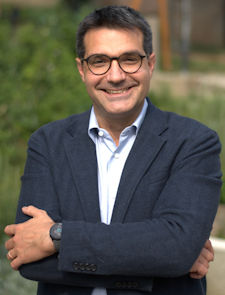
Edoardo Favari, PhD, PMP®, PMI-ACP®, is an Adjunct Professor of Project Management at the Politecnico di Milano Graduate School of Management and at IE Business School Madrid. A Senior Project Manager with extensive experience in complex infrastructure and organizational initiatives, he served on the core development team for the PMBOK® Guide – Eight Edition and currently contributes to the PMI Sustainability Outreach Committee. Edoardo bridges academic research and practice, focusing on megaprojects, stakeholder engagement, and sustainable value delivery—helping organizations turn large-scale ambition into measurable long-term impact.


Megaprojects are often seen as exceptions—too large, complex, or risky to compare with everyday projects. Yet history shows they are early laboratories of the future, where new practices first emerge under extreme conditions.
This article explores how today’s frontier megaprojects—from NEOM to the European Hyperloop initiatives—are already shaping tomorrow’s project management playbook: AI-augmented decision-making, radical transparency, climate adaptation, social value creation, and agile governance at scale.
Why Megaprojects Matter
The study of megaprojects goes back decades, originally focused on the technical challenges of delivering massive engineering works—bridges, tunnels, power plants, and dams.
By the 1990s, however, researchers such as Donald Lessard, Edward Merrow, Nuno Gil and Bent Flyvbjerg revealed a consistent paradox: Most megaprojects were late, over budget, and politically contentious, yet they also generated enduring innovation and capability.
Today, that body of research has matured into a practical lens for understanding how large-scale initiatives shape the evolution of project management itself. Megaprojects should not be seen as anomalies but as stress tests for our methods and mindsets—amplifying issues of value, legitimacy, and long-term impact that all projects face in smaller form. Many of today…
Please log in or sign up below to read the rest of the article.
|
"The face of a child can say it all, especially the mouth part of the face." - Jack Handey |


