Why 'Good Catches' Help More Than 'Near Misses'
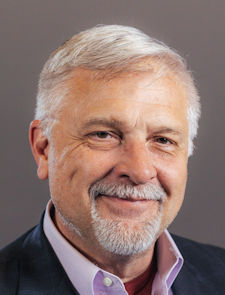
For more than four decades, Jim has worked at the intersection of creative ambition, operational delivery, and risk—guiding global concert tours, branded activations, and complex live productions from concept through execution.


Is “near miss” the problem?
In live events, we work in environments where risk is ever-present, timelines are compressed, and the decision-makers are frequently tired. Decisions often need to be made before all the information is available. For example, an events team working a concert may need to deal with last-minute inclement weather that threatens to cancel the show, or a team managing a marathon may have a waterpipe burst along the racetrack a few minutes before the start time.
We’ve gotten better as an industry at acknowledging the need for improved safety and risk mitigation strategies. Thanks in large part to the Event Safety Alliance (ESA), we now have shared frameworks, planning guides, written guidance and standards that help event teams assess risk before an audience ever arrives.
Through resources like the Event Safety Guide, industry training programs, and the annual Event Safety Summit, ESA brings together promoters, venues, public safety officials, engineers, and production professionals to align on best practices for crowd management, emergency planning, weather planning, structural safety, and operational communication.
Just as importantly, ESA provides a neutral forum for post-incident learning and creates space for teams to examine failures, contributing factors, and near misses in a way that supports improvement without …
Please log in or sign up below to read the rest of the article.
|
If you can't convince them, confuse them. - Harry Truman |


