What Does Strategic Success Look Like?
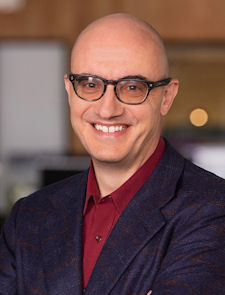
Andy Jordan is President of Roffensian Consulting S.A., a Roatan, Honduras-based management consulting firm with a comprehensive project management practice. Andy always appreciates feedback and discussion on the issues raised in his articles and can be reached at [email protected]. Andy's new book Risk Management for Project Driven Organizations is now available.


Nothing about the strategy lifecycle is easy. You have to make sure you set the right goals and objectives—not too hard, not too easy, aligned with reality. Approve the right—and right number—of projects to deliver. Manage all that work through continuous change. Then measure actual performance against defined metrics.
It’s all hard, sometimes really hard. But many organizations are making it harder than it needs to be.
These enterprises fail to not only maintain alignment between the various aspects of the strategic cycle, they also fail to be aligned on what is important.
Defining success
What would your CEO say success looks like in the current business cycle? They would probably speak to achieving all of the stated goals and objectives that have been used to define the key investments. And that teams across the enterprise are focused on delivering.
But would that be it? Undoubtedly not. Those goals won’t cover everything that’s important. In one year, the objectives can’t (or at least shouldn’t) touch on everything that contributes to success.
The list of possible success factors is too broad—from revenue, costs and profitability, to customer and employee satisfaction, progress toward the strategic vision, and so on. And that ignores things like compliance, being a good social steward, contributing to …
Please log in or sign up below to read the rest of the article.
|
I think somebody should come up with a way to breed a very large shrimp. That way, you could ride him, then, after you camped at night, you could eat him. How about it, science? - Jack Handey |


