Say What You Want and Get What You Need
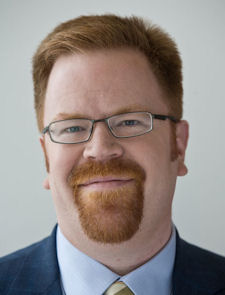
Mark Mullaly is president of Interthink Consulting Incorporated, an organizational development and change firm specializing in the creation of effective organizational project management solutions. Since 1990, it has worked with companies throughout North America to develop, enhance and implement effective project management tools, processes, structures and capabilities. Mark was most recently co-lead investigator of the Value of Project Management research project sponsored by PMI. You can read more of his writing at markmullaly.com.


Project management is hard enough on its own. So why do organizations try to make it harder by burdening their projects with unreasonable estimates? Project planning becomes an exercise not in understanding how to effectively deliver a solution but in how to manage to a pre-defined number. Such imposed estimates can be the result of competitive pressures, sometimes real and occasionally imagined. And sometimes they seem no more than a perverse form of motivation.
Of course, project managers often don't do themselves any favors in how they communicate estimates either. The biggest failing we have (and this more of an issue with humans as a species than a unique trait of project managers--although you'd think we'd have bred it out by now) is an overriding sense of optimism of how quickly we can get work done. If only every day on our project could be as productive as the day before we leave on a three-week vacation, project teams could truly move heaven and earth. Our ability to work in such a concentrated fashion, however, is congenitally limited to short bursts. It doesn't seem to stop us from estimating that way, however.
To get better at communicating estimates, we need to meet our foibles head on and actively work to change them. To help facilitate this confrontation, I offer my three customer rules of estimation:
- The first number is the last number I will hear. …
Please log in or sign up below to read the rest of the article.
|
You can say any foolish thing to a dog, and the dog will give you a look that says, "My God, you're right! I never would've thought of that! - Dave Barry |


