





Guessing is not a strategy: How to build decision velocity with AI and real-time data
June 10, 2026 | Live Webinar
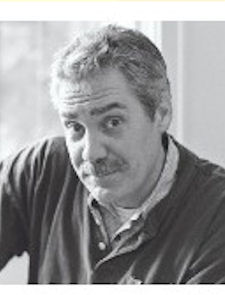
David Schmaltz is a project manager in Takoma Park, Maryland.
Most sponsors oversee projects as fixed expenses. Project managers, in turn, closely track costs, seeking a survivable margin and “ticketing” changes to justify increases. Neither side seems satisfied with the historical results. So what is the value of your project? What’s a fair price to pay? Whether you consider that price tag an expense or an investment makes a real difference.
Please log in or sign up below to read the rest of the article.
|
"Love yourself first and everything else falls into line. You really have to love yourself to get anything done in this world." - Lucille Ball |