





Guessing is not a strategy: How to build decision velocity with AI and real-time data
June 10, 2026 | Live Webinar
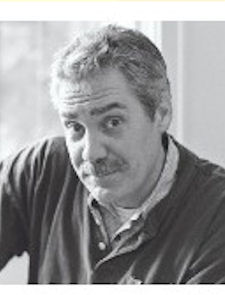
David Schmaltz is a project manager in Takoma Park, Maryland.
Most novel projects have so many cross-functional complications that no one person can assess their overall complexity. And yet it seems to be human nature to discount the unknown and unknowable in favor of an “all ya gotta do” attitude. There is an alternative approach that invites surprises (scenarios) and is comfortable with the new challenges (opportunities) they may bring.
Please log in or sign up below to read the rest of the article.
|
"Do not worry about your difficulties in Mathematics. I can assure you mine are still greater." - Albert Einstein |