





Guessing is not a strategy: How to build decision velocity with AI and real-time data
June 10, 2026 | Live Webinar
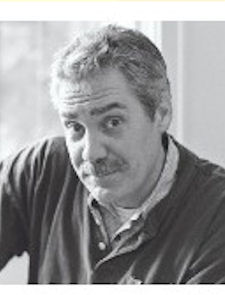
David Schmaltz is a project manager in Takoma Park, Maryland.
However you might define project control, you should question its purpose before attempting to accomplish it. Otherwise, you may default to a control strategy poorly matched to your intentions and your project’s purpose. There’s considerable evidence that individuals, not managers, PMOs or progress reports, exert the most meaningful control over successful projects, and that external controls compromise this inherent capability.
Please log in or sign up below to read the rest of the article.
|
"Forgive your enemies, but never forget their names." - John F. Kennedy |