As a senior program/project manager I spend most of my professional career in international program/project management, focusing on distributed projects in multi-cultural environments. People I work with recognize me for my ability to assess a situation quickly and define adequate and pragmatic actions to bring projects back on track. My style of management can be characterized as can-do, a pragmatic approach focusing on delivery.
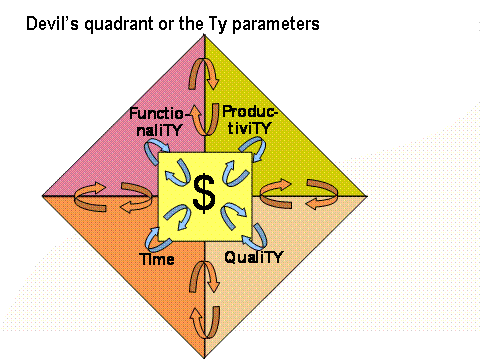
The control parameters for a project are believed to be money and scope or functionality and time. I think this is only partly true: Functionality and time are control parameters, but money is not. Instead, productivity and quality are the two control parameters that replace money. These four parameters lead to the devil’s quadrant, which every project manager needs to understand:
Functionality, Time, Quality and Productivity
Or, in other words, how to balance “TY”. Part 1 discussed changes in functionality and time. Now we will have a look at the other two parameters: quality and productivity. We will briefly discuss fixed-date projects and the change during the project lifecycle. For your convenience, here again are the four parameters:
The square is balancing at one corner, symbolising the delicate balance that is required among the four parameters. It is the project manager’s responsibility to find the right balance and translate this in the project plan and governance structure. Below you will find considerations and thoughts around each of the control parameters.
Time
Deadlines have slipped during design or additional time was required to define the technical or functional solution. Now you are facing your steering committee demanding you to meet the agreed end date. How can you turn the tide?