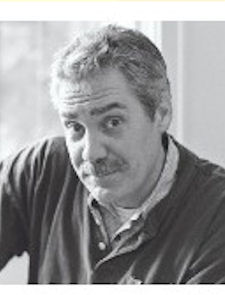
What constitutes the ethical responsibilities of project work? Our series continues with a look at three principles that have served the author well: like Socrates, “know that you don’t know” … for every assignment, seek a way to pursue it with “personal purpose” … and always “extend trust” (but count the cards).
Yogi Berra said, “When you come to a fork in the road, take it!” No one knows which direction you should head when you reach the forks in your road. But Yogi’s advice is still sage: At least be awake enough to take the forks you encounter —otherwise, you forfeit all influence.
The most powerful points of leverage in every project are the choices individuals make without even thinking about asking for permission to make them. Which is okay, because no one can decide these for anyone else, anyway. But poorly informed choice carries the most powerfully insidious influence upon every project. It’s capable of undermining everything. Success balances upon the choices we make when we might not think we’re making any choice at all.
This series outlines the seven ethical responsibilities of project work. The first installment made the distinction between morals (You Shall!) and ethics (I Will!), defining ethics as personal choices made when acknowledging the cost of choosing otherwise. This installment considers the …