





Guessing is not a strategy: How to build decision velocity with AI and real-time data
June 10, 2026 | Live Webinar
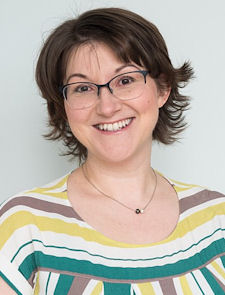
Elizabeth is a freelance writer and project manager living and working in London. She runs The Otobos Group, a project communications consultancy specializing in project management.
Doing nothing is an acceptable response to potential project threats that are deemed relatively insignificant or highly unlikely to occur. But what do you do when risk mitigation activities have been curtailed and that improbable problem does indeed arrive? Communication and calm are critical, according to these project management experts.
Please log in or sign up below to read the rest of the article.
|
I think somebody should come up with a way to breed a very large shrimp. That way, you could ride him, then, after you camped at night, you could eat him. How about it, science? - Jack Handey |