





Guessing is not a strategy: How to build decision velocity with AI and real-time data
June 10, 2026 | Live Webinar
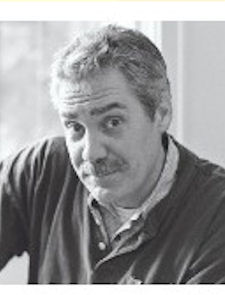
David Schmaltz is a project manager in Takoma Park, Maryland.
Collaborative planning is never a simple process, and nearly impossible to distill into a reliably repeatable process. The fact is, we often marginalize or outright exclude those who frustrate our planning with opposing views. After pushing through the plan, we get to live with the result. But communicating your command intent through “clabberation” — not a tidy plan — might just be the purpose of every project.
Please log in or sign up below to read the rest of the article.
|
"Karate is a form of martial arts in which people who have had years and years of training can, using only their hands and feet, make some of the worst movies in the history of the world." - Dave Barry |