





Guessing is not a strategy: How to build decision velocity with AI and real-time data
June 10, 2026 | Live Webinar
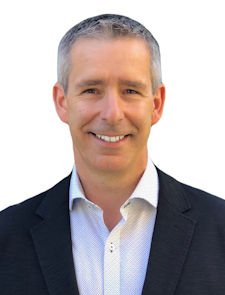
Mike Griffiths is an experienced project manager, author and consultant who works for PMI as a subject matter expert. Before joining PMI, Mike consulted and managed innovation and technology projects throughout Europe, North and South America for 30+ years. He was co-lead for the PMBOK Guide—Seventh Edition, lead for the Agile Practice Guide, and contributor to the PMI-ACP and PMP exam content outlines. Outside of PMI, Mike maintains the websites www.LeadingAnswers.com about leading teams and www.PMillustrated.com, which teaches project management for visual learners.
Agile methods are all about delivering value. We work on the high-value items first and prioritize the backlog based on business value. Everything is value driven, aiming to maximize value delivered. Risks, on the other hand, are like anti-value--they are potentials for value-robbing down time, rework and even project failures. Risks are like bank charges, direct debits or a credit card problem: Not kept in check, they can undo all the positive value we are working hard to create should they occur. So, just like balancing our finances, we should proactively monitor these potentials for value loss and plan risk avoidance and mitigation strategies as part of our iterations.
Risk Adjusted Backlogs
This is the main principle behind a risk-adjusted backlog--to have a smart blend of value-generating business features and risk-reduction actions. This way we truly maximize overall value.

Not all risks can be easily avoided or reduced through project action. Some risks will be accepted (“We are waiting for Service Pack 2, due in Q4, to fix this issue”) and some risks may be transferred to other parties best able to handle them (via insurance or outsourcing). Yet for the vast majority of risks, there is something we can proactively do to avoid, reduce or get a better perspective of them.
The challenge comes in determining where is appropriate to insert …
Please log in or sign up below to read the rest of the article.
|
"Why is it that people rejoice at a birth and grieve at a funeral? It is because we are not the people involved." - Mark Twain |