





Guessing is not a strategy: How to build decision velocity with AI and real-time data
June 10, 2026 | Live Webinar
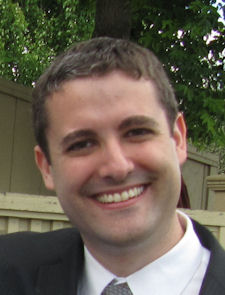
With an extensive background in health insurance and financial service companies, Brian's current focus is supporting teams as they adopt Agile and lean practices and deal with the challenges of organizational change. He is an expert helping foster better relations between business and technology to achieve more response projects and better results. He is one of the founding members of the PMI Agile Virtual Community of Practice and the creator of the annual Agile Games conference in Boston.
When planning a sprint, many factors will influence what works best, particularly the experience of the team in self-organizing. Here are some guidelines that can help project leaders focus the planning effort — without taking it over — and a few techniques to engage everyone and establish a shared vision.
The Scrum framework clearly explains the mechanics of a sprint: a time-boxed effort of specific duration (generally about two weeks) in which a team will plan to elaborate, build and validate some amount of functionality. Unlike traditional projects, each sprint incorporates a cross-functional team, and produces usable functionality each iteration so that the team can measure progress and validate the product.
The relatively short period of time in a sprint reduces complexity to aid in the planning process, but it must still be planned. Properly planning a sprint is a major challenge that a project manager will confront on an agile project. In order for a project to maximize flexibility and adaptability, sprints must be laid out in a manner to encourage team members to self organize and adjust their work throughout the iteration. The requirement to have working product at the end of a short period of time also demands some schedule discipline and visibility into sprint progress. These are areas where a project manager can be of great value to the team.
Of course,…
Please log in or sign up below to read the rest of the article.
|
"If you would be a real seeker after truth, it is necessary that at least once in your life you doubt, as far as possible, all things." - Rene Descartes |