





Guessing is not a strategy: How to build decision velocity with AI and real-time data
June 10, 2026 | Live Webinar
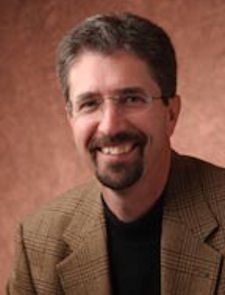
Timm has been using a commitment-based approach to project management since the mid-'90s to help high stakes project teams do what they say they will. In addition to consulting, Timm and his company are now offering workshops to get teams, leaders and managers off to a good start with commitment-based project management.
Activities completed do not necessarily equal desired outputs. In fact, focusing on activities or tasks, as Gantt-style charts and most Agile techniques prescribe, can do more harm than good. So why is this approach still a mainstay of project management, and how did we ever get here?
Since the dawn of civilization, human beings have known how to tackle large problems and challenges. Almost always, we begin by breaking big problems into smaller ones that are easier to tackle (and enable division of labor). When applied to projects, we call it “work breakdown.” An emerging approach called Commitment-based Project Management (CBPM) includes work breakdown, but recommends an approach different from the one we’ve used for the past 100 years.
The most common form of output from work breakdown is the Gantt-style chart, which is an integral part of project planning and tracking. I say Gantt-style chart, because these charts have evolved somewhat since the “straight line charts” created by Henry Gantt himself in the early 20th century. The vast majority of project tracking tools employ these Gantt style formats with levels of activity (phases, tasks, sub-tasks, etc), estimates of effort required, and time durations of when the effort will be expended.
According to his own book “Organizing for …
Please log in or sign up below to read the rest of the article.
|
"There are painters who transform the sun into a yellow spot, but there are others who, with the help of their art and their intelligence, transform a yellow spot into the sun." - Pablo Picasso |