





Guessing is not a strategy: How to build decision velocity with AI and real-time data
June 10, 2026 | Live Webinar
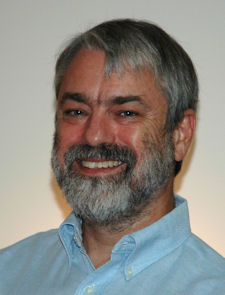
George Dinwiddie is an independent software development coach who helps organizations, large and small, to increase the effectiveness of their software development efforts. He provides guidance over a broad range, at the organizational, process, team, interpersonal, and technical levels. He is currently crusading to break down the barriers that hinder effective collaboration between the business, the programmers, and the testers. George is a frequent speaker at Agile conferences. See his blog at http://blog.gdinwiddie.com.
In college, I read a report of a psychology study about paranoid people. In this study, the investigators identified a number of people who they labeled as paranoid. They followed these subjects over a period of time to see if they did, indeed, exhibit the symptoms of paranoia and if there was any external cause to those symptoms.
They found that, yes, their subjects universally did exhibit symptoms of paranoia, particularly the belief that they had been singled out for potential harm. And, no, there was nothing visible in their environment to cause such a symptom. Therefore it must be true that they were, by nature, paranoid.
In reality, this study was a facetious illustration of flawed psychological experiments. The “study” highlighted the fact that the investigators could not see that they, by their actions in making the study, were the cause of the subjects’ mistrust. It was a cautionary tale against affecting the study results by the design of the investigation.
Wise managers will exercise the same caution. It’s easy for the collection of information about the work to interfere with that work. Let’s look at a few examples…
Tracking Project Details
One of the first questions many people ask when they consider adopting an agile method of software development is, “What agile project management tool should we buy?…
Please log in or sign up below to read the rest of the article.
|
"If we knew what it was we were doing, it would not be called research, would it?" - Albert Einstein |