





Guessing is not a strategy: How to build decision velocity with AI and real-time data
June 10, 2026 | Live Webinar
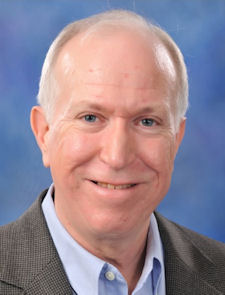
Michael Aucoin, D. Engr., PE, PMP is president of Leading Edge Management, LLC in College Station, Texas and author of Right-Brain Project Management: A Complementary Approach. He can be reached at [email protected].
How does one stay agile over time? It’s an important question to address for those of us who must deliver agile projects again and again, perhaps over years. I have observed that organizations tend to become less agile and more sluggish over time--unless they consciously and deliberately force themselves to keep and practice their agile chops. There are at least three reasons for this tendency toward sluggishness:
Please log in or sign up below to read the rest of the article.
|
"I may not agree with what you say, but I will defend to the death your right to say it." - Voltaire |