





Guessing is not a strategy: How to build decision velocity with AI and real-time data
June 10, 2026 | Live Webinar
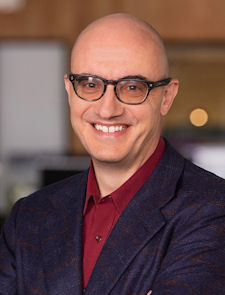
Andy Jordan is President of Roffensian Consulting S.A., a Roatan, Honduras-based management consulting firm with a comprehensive project management practice. Andy always appreciates feedback and discussion on the issues raised in his articles and can be reached at [email protected]. Andy's new book Risk Management for Project Driven Organizations is now available.
Risk management at the organizational level differs in fundamental ways from the processes followed by project managers and teams. But the approaches must still support each other. Here are some considerations for creating a process structure that takes into account risk at both the project and portfolio levels.
Every project is, in some way, unique, and so every organization will undertake its risk management a bit differently. Ultimately, the best risk management process is the one that the people involved embrace and use. So rather than exploring specific risk processes in this series, I want to highlight some of the aspects of an organizational risk process that are vital to success — approaches that are specific to projects but also are applicable when we consider the portfolio.
Regardless of how strategic risks are viewed in an organization they still need to be identified, analyzed, prioritized and managed. If the risks trigger then they require contingency steps to be taken — the same elements that occur at the project level. However, there are some key differences at the organizational level, starting with the way that the tasks in the process align with one another.
In a traditional project environment each of the steps in risk management follows a logical sequence from start (identification) to finish (elimination or contingency) in a linear …
Please log in or sign up below to read the rest of the article.
|
"I do not know anyone who has got to the top without hard work. That is the recipe. It will not always get you to the top, but should get you pretty near." - Margaret Thatcher |