





Guessing is not a strategy: How to build decision velocity with AI and real-time data
June 10, 2026 | Live Webinar
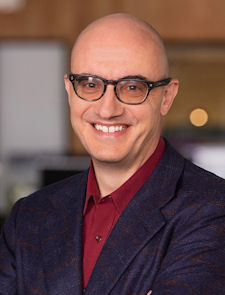
Andy Jordan is President of Roffensian Consulting S.A., a Roatan, Honduras-based management consulting firm with a comprehensive project management practice. Andy always appreciates feedback and discussion on the issues raised in his articles and can be reached at [email protected]. Andy's new book Risk Management for Project Driven Organizations is now available.
I recently received an email from an experienced project manager who had just been asked to lead a larger project than ever before. Of particular relevance to this article was the fact that close to 50 different team members would be working on the initiative at any one time. The PM was smart enough to recognize that she wouldn’t be able to manage all of those people effectively herself, so she was looking for some advice on what kind of management model to put in place.
It’s easy in this situation to reference one of the many management spans of control models to provide a canned answer, and I almost did throw out a suggestion of six to eight people per manager based on the collective wisdom of those theories. However, projects have a number of unique characteristics that cloud that theoretical model, so we ended up having a much more in-depth dialogue. Those conversations are also the basis for this article.
Projects are not operational units
It may sound obvious, but the first thing to note is that projects are not the same as business units or departments. In those business areas, there is a well-established management hierarchy with supervisors, managers, directors and vice presidents. There may also be various levels of each of those roles as well depending on the size of the organization.
Within those structures, a span of control that aligns with …
Please log in or sign up below to read the rest of the article.
|
"Imagine if every Thursday your shoes exploded if you tied them the usual way. This happens to us all the time with computers, and nobody thinks of complaining." - Jeff Raskin |