





Guessing is not a strategy: How to build decision velocity with AI and real-time data
June 10, 2026 | Live Webinar

Deepali is an accomplished PMP®-certified and professional ScrumMaster project manager offering over 13 years of demonstrated career success developing and delivering projects across various engineering and technical domains with demonstrated customer satisfaction and organization strategic realization.
What are future trends in organizational structure in the digital age? Why are organizational structures moving back to being flat again? Can a blend of hierarchy and wirearchy models solve the problem of scale that flat-connected organizations face?
Every organization aims to structure people, work and responsibilities to meet organizational goals in an optimum manner. The industrial age had a hierarchical organizational structure. The 1970s saw the emergence of the matrix organizational structure. The digital age has seen the emergence of a wirearchy with a dynamic flow of power and authority—and based on information, trust, credibility and a focus on results, enabled by interconnected technology and people.
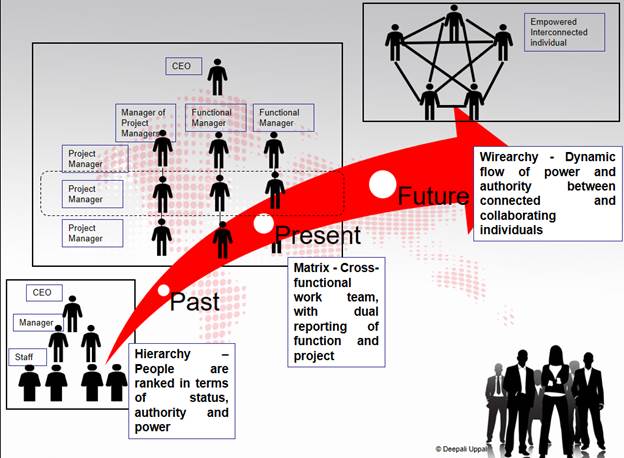
Figure 1: Trends in Organizational Structure
Most start-ups and young companies start their organizational life with a flat organizational structure. As companies grow, they tend to become more complex and hierarchical, often leading to bureaucracy. Top-heavy or middle-heavy and hierarchical organizations are very slow to change and adapt. The failure of the traditional hierarchical structure to be nimble and adapt to globalization led to the evolution of the matrix organizational structure.
Matrix structures broke down the hierarchies, allowing teams to share information across task boundaries and enabling managers and staff to build their knowledge…
Please log in or sign up below to read the rest of the article.
|
"Don't worry about people stealing your ideas. If your ideas are any good, you'll have to ram them down people's throats." - Howard Aiken |