Manage Your Own Talent
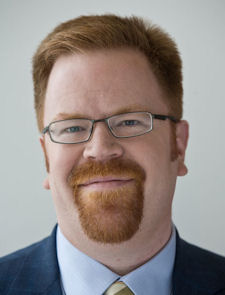
Mark Mullaly is president of Interthink Consulting Incorporated, an organizational development and change firm specializing in the creation of effective organizational project management solutions. Since 1990, it has worked with companies throughout North America to develop, enhance and implement effective project management tools, processes, structures and capabilities. Mark was most recently co-lead investigator of the Value of Project Management research project sponsored by PMI. You can read more of his writing at markmullaly.com.


Talent management as a term is (organizationally, at least) relatively new. It was arguably first coined in the 1990s, and showed up in a research paper published in 1998 by McKinsey and company. It was a pretty foundational article at the time, and got a fair amount of exposure from other publications as well. In retrospect, it’s observations seem more than a little bit obvious: The most important corporate resource is people. And organizations are going to need talented, capable and adaptable people that will be in short supply.
Organizations succeed or fail based largely on their people. The fact that they needed to be told this was important—or that attracting and retaining the best would be a thing that they should spend time focusing on—should really go without saying. There are organizations that still believe today that their success is all about strategy, or technology, or business models, or block-chain, so perhaps it’s a concept that is worthwhile reinforcing even now.
A key tenet of talent management is an important one, though. Talent management needs to be a management priority, and a management responsibility. The point behind this emphasis is that managing talent is too important to be left up to human resources (no matter how strategic human resources wants—or is trying—to be). Executives need to be focusing on and …
Please log in or sign up below to read the rest of the article.
|
"There's nothing remarkable about it. All one has to do is hit the right keys at the right time and the instrument plays itself." - Johann Sebastian Bach |


