FARO: A Human Compass for Leading Projects in Complexity
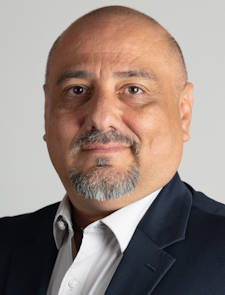
Guillermo Aguirre Gómez is Digital Platforms Senior Manager at Tecnológico de Monterrey. He has over 30 years of experience leading digital transformation, project management, and agile practices across industries such as retail, manufacturing, banking, telecommunications, and education.


Today’s project managers face a world of complexity, shifting priorities and constant change. Tools and methodologies help, but they are not enough. Faro—Spanish for lighthouse—is a simple yet powerful model that reminds us to lead with fortitude, adaptability, relationships and purpose. It is a way to shine light on the human side of projects, guiding teams safely through the storm.
The Current Challenge in Project Management
Picture this: The project has just kicked off, the Gantt chart looks perfect, and the tools are in place. Everyone nods at the plan.
But soon, reality hits: priorities shift, requirements change overnight, a key resource leaves.
Suddenly, the “perfect plan” feels fragile.
At that moment, the team doesn’t look at a dashboard for comfort—they look at the project manager. What they need is not another chart, but confidence, clarity and guidance.
That’s why project management is never just about scope, schedules or costs. It is equally about people. Tools may keep a project on track, but it is people who carry it across the finish line.
The Origin of the FARO Model
The idea of faro came from noticing what really makes projects succeed. Beyond technical mastery, it was human strengths—inner fortitude, the ability to adapt, meaningful connections, and a sense of purpose—that …
Please log in or sign up below to read the rest of the article.
|
"I would never die for my beliefs, cause I might be wrong." - Bertrand Russell |


