Facing The Challenge Of Defining PMO Success
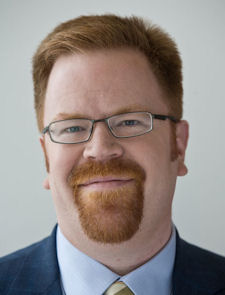
Mark Mullaly is president of Interthink Consulting Incorporated, an organizational development and change firm specializing in the creation of effective organizational project management solutions. Since 1990, it has worked with companies throughout North America to develop, enhance and implement effective project management tools, processes, structures and capabilities. Mark was most recently co-lead investigator of the Value of Project Management research project sponsored by PMI. You can read more of his writing at markmullaly.com.


As I have assumed responsibility for gantthead's Program Management Office department, I have tried to raise some of the fundamental challenges and issues that face the typical PMO in an organizational context. While admittedly theoretical in some regards, the first few columns have endeavoured to lay the groundwork for a more involved discussion of developing PMOs. This column continues a multi-part series that addresses the practical steps and considerations in setting up a PMO in today's organizations.
One of the greatest challenges for most Project Management Offices today is being able to actually demonstrate their value and relevance to the organizations they support. While part of this challenge stems from an inconsistent definition of what the role of a PMO should be, a far greater issue is a fundamental failure to actually define what success for the PMO looks like.
Based upon recent a research project conducted by my company, only 45 percent of respondents felt that the PMO in their organization makes a significant or essential contribution to ensuring project success. In looking at the perception of the PMO's core customers, only 55 percent of project managers and 57 percent of senior management currently see their PMO as making a significant or essential contribution to the organization. While these perceptions in and of themselves are less…
Please log in or sign up below to read the rest of the article.
|
"Try not to have a good time...this is supposed to be educational." - Charles Schultz |


