Got Hierarchy?
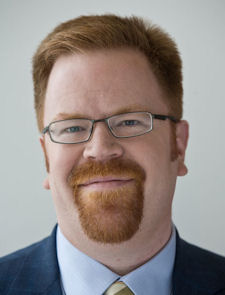
Mark Mullaly is president of Interthink Consulting Incorporated, an organizational development and change firm specializing in the creation of effective organizational project management solutions. Since 1990, it has worked with companies throughout North America to develop, enhance and implement effective project management tools, processes, structures and capabilities. Mark was most recently co-lead investigator of the Value of Project Management research project sponsored by PMI. You can read more of his writing at markmullaly.com.


In my past two columns, I have offered and explored a new definition of project management. While many readers have responded with praise and feedback that it resonates strongly for them (even in situations where they cannot fully practice it), others have struggled to embrace of support it.
One of the more interesting themes in this latter category has been a negative backlash to the concept of the project manager having the authority and responsibility for the completion of a project, as well as accountability for its success. To paraphrase the overall theme, the perception is that the project manager cannot have authority because it is the team working as a collaborative whole that drives project success.
What is striking is that the concept of team collaboration reinforces a larger theme that I have been observing in organizations--an embracing of team-driven styles and a rejection of leadership as a concept.
The ideal appears to be one of collaborative consensus, where teams work holistically to attain a goal with each team member contributing their unique expertise and abilities. Decision-making is portrayed as organic--arriving at a conclusion that the group mutually agrees to, adopting approaches steeped in cooperation, mutual respect and harmony. That's all well and good as far as it goes. There is just one hitch--it doesn't actually work that way.
I am not…
Please log in or sign up below to read the rest of the article.
|
Sometimes the road less traveled is less traveled for a reason. - Jerry Seinfeld |


