Reducing Schedule Risk


One of the most common problems with software development is managing the project schedule. How can you consistently deliver a project on time?
While there is no silver bullet against overly optimistic schedules, you can reduce schedule risk through project milestones, a best practice that requires you to identify and track significant points or achievements in your project.
The following five principles highlight the key points of the project milestones best practice.
Define milestones early in the project
As a general rule, the sooner you implement a best practice in your project lifecycle, the better. Project milestones are no exception to this rule. All milestones should be identified early on, and they should be transcribed on a project plan or visual chart such as a PERT diagram (see Figure 1).
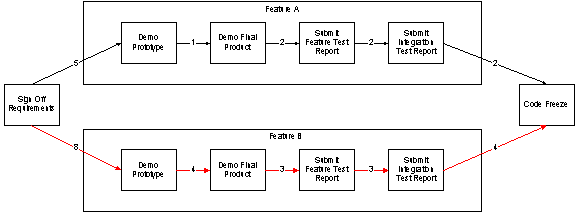
Figure 1. PERT diagram
While a chart on its own will not necessarily help you reduce schedule risk, it will significantly increase visibility of the key milestones and project's progress, which is important to other managers.
Even though I recommend you start tracking milestones at the early stage of the project, keep in mind that it's never too late to implement this best practice. It can be beneficial at any phase of the lifecycle, especially during project recovery.
Keep milestones small and frequent
To reduce schedule risk, you must…
Please log in or sign up below to read the rest of the article.


