Politics and the PMO
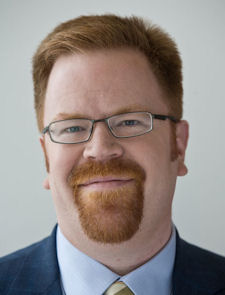
Mark Mullaly is president of Interthink Consulting Incorporated, an organizational development and change firm specializing in the creation of effective organizational project management solutions. Since 1990, it has worked with companies throughout North America to develop, enhance and implement effective project management tools, processes, structures and capabilities. Mark was most recently co-lead investigator of the Value of Project Management research project sponsored by PMI. You can read more of his writing at markmullaly.com.


In last month's column, we discussed some of the political influences that often appear to drive the underlying motivations for implementing a PMO. This discussion concluded with the observation that much of this motivation centers around an attempt to influence the political dynamics of the organization itself. This is one of the fundamental drivers behind the desire for a strong PMO--the desire to establish a presence in the organization that can counter what is often a much stronger political influence based upon the functional structure of the organization.
There is a strong correlation between how much political influence functional managers and executives have and the desire for a strong PMO as a counterbalance. In reality, however, it is the strength of the functional politics that prove the greatest threat to whether or not a PMO will actually succeed. Power is not something that executives share for altruistic purposes. In organizations, power is the coin of the realm--those that don't have it want it, those that have it want more. In this environment, power politics is also a zero sum game--any entity created within the organization that has power represents a corresponding loss of power to the current players. This is rarely something that will occur willingly.
What this means is that the organizations that most need and could benefit from a PMO--the …
Please log in or sign up below to read the rest of the article.
|
If you can't convince them, confuse them. - Harry Truman |


