The PMO Question
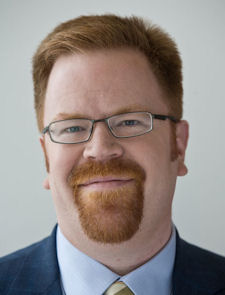
Mark Mullaly is president of Interthink Consulting Incorporated, an organizational development and change firm specializing in the creation of effective organizational project management solutions. Since 1990, it has worked with companies throughout North America to develop, enhance and implement effective project management tools, processes, structures and capabilities. Mark was most recently co-lead investigator of the Value of Project Management research project sponsored by PMI. You can read more of his writing at markmullaly.com.


Like most organizational change, Project Management Offices are an idea that is more inflicted on people than it is introduced. As previous columns have discussed, the imperative for a PMO is less often driven by a front line need for support than it is from a middle or upper management need for control. As a result, project managers often wind up viewing themselves as the victims of PMOs, imposed upon and burdened rather than enabled and helped.
The roles of the PMO are far too often skewed toward oversight and control rather than being of assistance to the projects. Instead of being an enabler and catalyst for great project management, they are frequently viewed as "the project police." As a result, project managers and teams are often extremely reluctant to share information--or at least fully accurate information--about where their projects are and what they are doing. Rather than looking for assistance and guidance, project managers avoid the PMO so that no undesired consequences can befall them.
Overall, this isn't a pretty picture. Unfortunately, this brief summary of the state of relations between the PMO and the projects they support is reflected in the conversations I have had and the e-mails I have received from both project managers and PMO staff alike. While the project managers would theoretically like support and assistance, and the PMOs would like to be …
Please log in or sign up below to read the rest of the article.
|
"My goal is simple. It is complete understanding of the universe, why it is as it is, and why it exists at all." - Stephen Hawking |


