The CIO as Driver of Organizational Change: Not
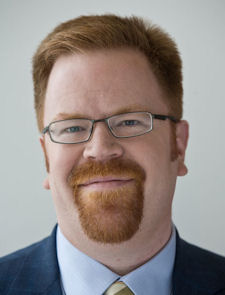
Mark Mullaly is president of Interthink Consulting Incorporated, an organizational development and change firm specializing in the creation of effective organizational project management solutions. Since 1990, it has worked with companies throughout North America to develop, enhance and implement effective project management tools, processes, structures and capabilities. Mark was most recently co-lead investigator of the Value of Project Management research project sponsored by PMI. You can read more of his writing at markmullaly.com.


While this may prove to be a controversial position, I am most decidedly of the opinion that the role of the CIO is not to be the driver of organizational change. On the bus of organizational life, there are drivers, there are passengers and there’s the tour guide at the front pointing out all the interesting sites along the way. This would be the CIO--often ignored, frequently misunderstood and constantly trying to grab your attention when it has been called elsewhere. A cynical viewpoint? Perhaps. Where we find humor, though, is often not far from where we find truth.
Certainly, most organizational executives would like the CIO to be a driver of change. Many CIO job descriptions probably include that explicit expectation. I would even go so far as to speculate that many CIO compensations are in part influenced by the degree to which organizational change occurs. All that doesn’t change my basic position, however, that it is not their role.
In a task force report in Ontario, Canada investigating the management practices on large IT scale projects, two major findings were the need for appropriate governance in management and leadership of major change initiatives. In discussing the problems of leadership, the report states “project leadership for business transformation often comes, not from the business owners, but from an IT function, as if by default. This is hard evidence…
Please log in or sign up below to read the rest of the article.
ADVERTISEMENTS
|
"Most people would sooner die than think; in fact, they do so." - Bertrand Russell |


