Making Metrics Count: Getting it Right (Part 1)


Realms of paper and megabytes of reports are probably being generated even as you read this article on metrics. Someone somewhere is probably producing yet another status report loaded with metrics…and more metrics. Traffic light reports. Dashboards. Snapshots. Trend charts. Many of these may be the result of fire-drills calling for all hands on board.
The hunt for data and number crunching would continue unabated till the deadlines are met. If this story sounds all too familiar, you are not alone in the world of metrics. By most accounts, the move toward collecting and reporting metrics has only increased in recent years. With increased attention on corporate management and performance, and moves toward aligning the various functions in a business, metrics are becoming increasingly vital to help measure and report on both strategic and operational performance.
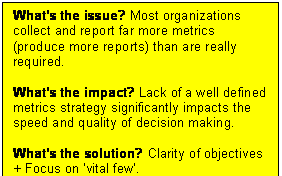
With the increased attention on metrics, some managers complain that they spend more time producing and delivering reports than managing their teams, or focusing on their “business”. Often, they produce multiple reports with strikingly similar information geared toward different stakeholders. Why do so many organizations continue to struggle with defining an effective metrics and reporting strategy and process? What prevents teams from designing a cohesive and coherent …
Please log in or sign up below to read the rest of the article.
ADVERTISEMENTS
|
"If you think you can, you can. And if you think you can't, you're right." - Mary Kay Ash |


