Managing Resource Capacity: How Do We Know We’re Full?
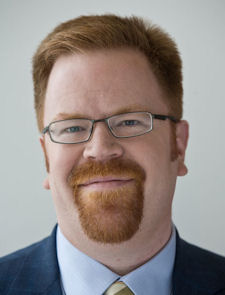
Mark Mullaly is president of Interthink Consulting Incorporated, an organizational development and change firm specializing in the creation of effective organizational project management solutions. Since 1990, it has worked with companies throughout North America to develop, enhance and implement effective project management tools, processes, structures and capabilities. Mark was most recently co-lead investigator of the Value of Project Management research project sponsored by PMI. You can read more of his writing at markmullaly.com.


Project resourcing today is an extension of the strategy of “rounding up the usual suspects”. When I look at many projects within organizations--especially large, complex, strategic initiatives, the kind that take an enormous amount of time and investment to complete--it is surprising the number of times that the same names come up over and over again. While every organization has its “go-to” people for project work, given the size of the organization it is truly astonishing sometimes how small that list really can be.
One notable example is a financial institution I consulted with very recently. While they have a recognized project management discipline and are consciously working to establish project management as a core competency within the organization, every single one of their strategic projects (there were eight major ones at the time) overlapped with every other one in terms of the core resources being utilized. Given that every single one of those people also had a full-time job, the workload they faced was significant. Or, from the perspective of the projects they supported, the likelihood of getting the effort they required and expected was pretty remote.
The majority of organizations today are functionally structured--they exist to provide some product or service, and the organizational chart reflects the structure necessary to efficiently…
Please log in or sign up below to read the rest of the article.
ADVERTISEMENTS
|
"It's a small world, but I wouldn't want to paint it." - Steven Wright |


