Negotiating Your Leadership Authority
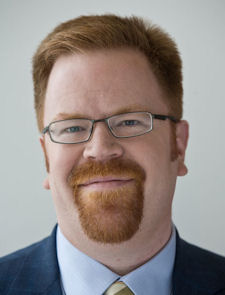
Mark Mullaly is president of Interthink Consulting Incorporated, an organizational development and change firm specializing in the creation of effective organizational project management solutions. Since 1990, it has worked with companies throughout North America to develop, enhance and implement effective project management tools, processes, structures and capabilities. Mark was most recently co-lead investigator of the Value of Project Management research project sponsored by PMI. You can read more of his writing at markmullaly.com.


Leadership is one of those ineffable qualities about which much is written, but little is concretely defined. A little like beauty, leadership is often in the eye of the beholder: We may not be able to typify it, but we know it when we see it. Yet leadership seems to be a fairly elusive quality as well.
When I ask workshop participants and conference attendees to give me examples of extraordinary leadership, many often struggle to think of situations that they have experienced it. When asked to describe the qualities of leadership, however, participants are more forthcoming. Examples of effective leadership attributes abound: Strong vision, pragmatism, the ability to focus on a goal, good communication skills, strong collaboration abilities and sensitivity to the needs of their team are just a few of the qualities that are offered.
Other examples range from possessing strong people skills to problem solving to political mastery to communications abilities to the capacity to negotiate effectively. Arguably, these illustrations are not dissimilar to the “long list” qualities that defined early leadership research. The inherent problem being--then, as always--that the list of potential leadership qualities grows so extensive that it becomes impossible for any one human being to encompass all of them.
Given the inadequacy of a …
Please log in or sign up below to read the rest of the article.
ADVERTISEMENTS
|
"Familiarity breeds contempt -- and children." - Mark Twain |


