The Politics of Portfolio Management: Why It’s Harder Than It Looks
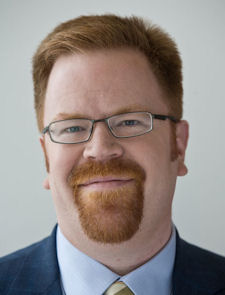
Mark Mullaly is president of Interthink Consulting Incorporated, an organizational development and change firm specializing in the creation of effective organizational project management solutions. Since 1990, it has worked with companies throughout North America to develop, enhance and implement effective project management tools, processes, structures and capabilities. Mark was most recently co-lead investigator of the Value of Project Management research project sponsored by PMI. You can read more of his writing at markmullaly.com.


-
Are we doing the right projects?
-
For the projects that we have chosen to undertake, are we confident that the projects are being delivered well and meet their goals?
-
For the projects that we have completed, are we consciously changing how the organization operates in order to realize the value we expected?
Please log in or sign up below to read the rest of the article.
|
"Life is but a walking shadow, a poor player that struts and frets his hour upon the stage and then is heard of no more. It is a tale told by an idiot, full of sound and fury, signifying nothing." - William Shakespeare |


