Managing In the Face of Imposed Models
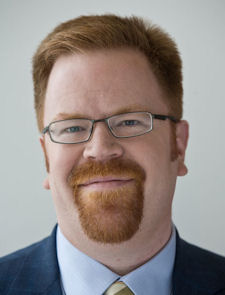
Mark Mullaly is president of Interthink Consulting Incorporated, an organizational development and change firm specializing in the creation of effective organizational project management solutions. Since 1990, it has worked with companies throughout North America to develop, enhance and implement effective project management tools, processes, structures and capabilities. Mark was most recently co-lead investigator of the Value of Project Management research project sponsored by PMI. You can read more of his writing at markmullaly.com.


ITIL. COBIT. ISO 9000. Sarbanes-Oxley. Even PMBOK.
Processes and models come in many flavors, shapes and sizes. Whether they advocate better quality management, better project management, better corporate governance or better audit-ability and control, their fundamental motivation--at least theoretically--is to, well, make things better. Models don’t start out with the underlying intent of making things worse. That would be unproductive, irrational and entirely unhelpful. The principle is that the model provides a better way of managing than whatever came before.
Except when they don’t…
Something very curious has happened in the implementation of countless models that have been implemented under the guise of “making management better”. In many instances, the result has been far from an improvement. The reality is that many implementations have made things worse.
Ironic? Certainly. Unhelpful? Unquestionably. But why? What is it that organizations are doing that takes a well-intentioned, well-meaning and purportedly well-crafted model and turns it into something that is considered bureaucratic, ill-guided and--in a couple of noteworthy instances--downright evil? And what can we do differently that will enable positive results, rather than haunted cries of “not again”?!?
An organization I …
Please log in or sign up below to read the rest of the article.
ADVERTISEMENTS
|
"Don't worry about people stealing your ideas. If your ideas are any good, you'll have to ram them down people's throats." - Howard Aiken |


