Transforming the Culture with OPM3 (Part 1 of 3): An Overview

John is the founder of OPM Experts LLC.


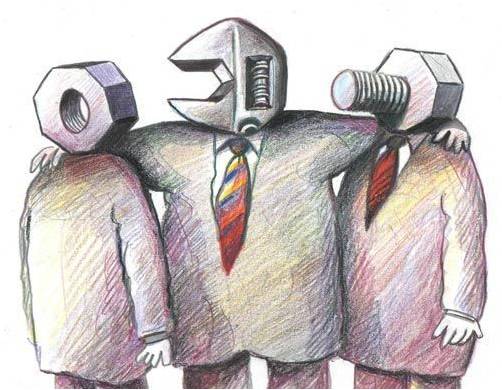 Ask yourself what culture means, and you may find it difficult to state a clear and succinct definition, but it is likely that you can recall an organization in which you have worked that had a healthy culture, and just as likely that you may recall an organization that you would characterize as having an unhealthy culture. Why is that? Although culture is a many-faceted thing that may seem difficult to boil down into a sound bite, it is something that impacts everyone. The culture determines how people define themselves and their relationships with others, and greatly influences a person’s sense of self.
In organizations that thrive on projects, a healthy culture is a prerequisite to high performance because teams are the lifeblood of projects, teams of people who must repeatedly mobilize into temporary endeavors that deliver change in the midst of business environments that are always changing. In such organizations, the culture is often the thing that prevents complexity from degrading into chaos. It is nearly always the case that high performing organizations have highly developed cultures, and nearly always the case that low performing organizations suffer from problems associated with how the people work together, how they define themselves and their relationships with others, and the experiences and views that individuals have regarding their sense of self…
Please log in or sign up below to read the rest of the article.
|
"The best way to become boring is to say everything." - Voltaire |


