Requirements for the Unknown
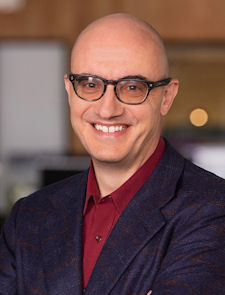
Andy Jordan is President of Roffensian Consulting S.A., a Roatan, Honduras-based management consulting firm with a comprehensive project management practice. Andy always appreciates feedback and discussion on the issues raised in his articles and can be reached at [email protected]. Andy's new book Risk Management for Project Driven Organizations is now available.


When we think about requirements the traditional view is of a document that breaks down the various deliverables into sections, provides a fair amount of detail and is signed off by the customer. Typically this document is produced by our business analysts, who work closely with the customer in order to understand their needs and come up with the set of deliverables that will best meet those needs within the customer’s budget and schedule constraints.
But what do you do if the customer doesn’t know what they want? How do you produce requirements for a solution that isn’t understood? In some cases, the project team may know what the correct solution is based on previous projects with very similar needs, but often the situation is more complex than that. You may find yourself working with a customer where both of you understand the problem that needs to be addressed, but where neither of you understands what the right solution is.
In this situation, life gets a lot more interesting.
Discovering the solution
If the solution needs to be discovered together, then we have to put aside the traditional approach of producing a requirements document and move toward less traditional methods of requirements gathering. This approach has become a lot more popular in recent years with the various methods of agile project management, but it’s not a new concept. We …
If the solution needs to be discovered together, then we have to put aside the traditional approach of producing a requirements document and move toward less traditional methods of requirements gathering. This approach has become a lot more popular in recent years with the various methods of agile project management, but it’s not a new concept. We …
Please log in or sign up below to read the rest of the article.
ADVERTISEMENTS
|
"Nobody can make you feel inferior without your consent." - Eleanor Roosevelt |


