Navigating Organizational Politics
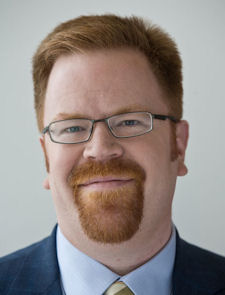
Mark Mullaly is president of Interthink Consulting Incorporated, an organizational development and change firm specializing in the creation of effective organizational project management solutions. Since 1990, it has worked with companies throughout North America to develop, enhance and implement effective project management tools, processes, structures and capabilities. Mark was most recently co-lead investigator of the Value of Project Management research project sponsored by PMI. You can read more of his writing at markmullaly.com.


Last month’s article explored the fact that while requirements definition is an essential aspect of project management, of equal or greater importance is the management of expectations. These expectations represent the cultural values that operate within any and every organization--in terms of risk tolerance, acceptance of innovation, sharing of resources, valuing of collaboration and approach to communications. In essence, we need to understand the environment in which we work, what is valued and what isn’t, and adjust our behaviors appropriately in order to ensure success.
While this is all well and good in theory, the fundamental challenge is how to actually manage this process. We have to be able to understand the environment in which we and our projects are operating in, and more importantly we also have to be able to operate and manage effectively within it. With acceptance of this reality, we quickly find ourselves firmly within the realm of organizational politics. For many, this is not a place that they like to be. Run the term “office politics” by someone and reactions are likely to be similar to “backstabbing”, “looking out for number one”, “manipulation” or “deceitful”. In other words, pretty negative.
Arguably, politics itself is value-neutral. There is no good or bad; politics is a …
Please log in or sign up below to read the rest of the article.
ADVERTISEMENTS
|
"Military justice is to justice what military music is to music." - Groucho Marx |


