Formalizing Governance
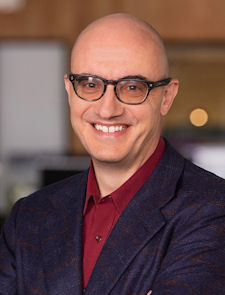
Andy Jordan is President of Roffensian Consulting S.A., a Roatan, Honduras-based management consulting firm with a comprehensive project management practice. Andy always appreciates feedback and discussion on the issues raised in his articles and can be reached at [email protected]. Andy's new book Risk Management for Project Driven Organizations is now available.


When I first started out as a project manager, no one talked about governance. No one even knew what it meant. We had methodology and process, and we may occasionally have had an audit--but nothing remotely like we have seen in the last five years or so. The corporate scandals of the early 2000s--along with the greater transparency that is expected by regulators, shareholders, customers, and even employees--have made governance a necessary part of all major initiatives today.
What I find myself asking though, is how is governance done? In my experience, sponsors simply ask for a governance committee or appoint a governance officer to a project without really defining what’s expected. In this article, I would like to build on a few experiences that I have had with governance and consider some ways that we can improve things by bringing consistency to the process. Within an organization, governance shouldn’t be hit or miss--it should be controlled and applied in a systematic function. Governance is another element of an organization’s overall approach to project management, and it needs to be treated that way.
The need for governance
Let’s start with the basics. Organizations have a PMO or similar body that will provide a project methodology, often based on a recognized approach, that includes specific processes, tools, templates, etc. that …
Please log in or sign up below to read the rest of the article.
|
"[Musicians] talk of nothing but money and jobs. Give me businessmen every time. They really are interested in music and art." - Jean Sibelius, explaining why he rarely invited musicians to his home. |


