





Guessing is not a strategy: How to build decision velocity with AI and real-time data
June 10, 2026 | Live Webinar
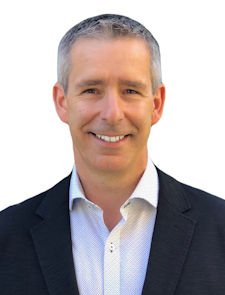
Mike Griffiths is an experienced project manager, author and consultant who works for PMI as a subject matter expert. Before joining PMI, Mike consulted and managed innovation and technology projects throughout Europe, North and South America for 30+ years. He was co-lead for the PMBOK Guide—Seventh Edition, lead for the Agile Practice Guide, and contributor to the PMI-ACP and PMP exam content outlines. Outside of PMI, Mike maintains the websites www.LeadingAnswers.com about leading teams and www.PMillustrated.com, which teaches project management for visual learners.
A uniting thread through the variety of different agile methods is the fact that they all employ work prioritization schemes. While the terminology varies--Scrum for instance has a “product backlog”, FDD a “feature list” and DSDM a “prioritized requirements list”--the concept is the same. The project works through a prioritized list of items that have discernable business value.
Prioritization is required because it enables the flexing of scope to meet budget or timeline objectives while retaining a useful set of functionality (Minimum Marketable Release).

Prioritization also provides a framework for deciding if/when to incorporate changes. By asking the business to “tell me what it is more important than” and then inserting the new change into the prioritized work list at the appropriate point, it is possible to include changes.

It is worth explaining that while agile methods provide tremendous flexibility through the ability to accept late-breaking changes, they cannot bend the laws of time and space. So if your project time or budget was estimated to be fully consumed with the current scope, then adding a new change will inevitably force a lower priority feature below the “cutoff point” of what we expect to deliver. So, yes, we can accept late-breaking changes…but only at the …
Please log in or sign up below to read the rest of the article.
|
"If you pick up a starving dog and make him prosperous, he will not bite you. This is the principal difference between a dog and a man." - Mark Twain |