





Guessing is not a strategy: How to build decision velocity with AI and real-time data
June 10, 2026 | Live Webinar
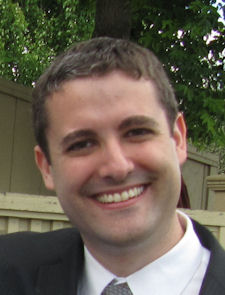
With an extensive background in health insurance and financial service companies, Brian's current focus is supporting teams as they adopt Agile and lean practices and deal with the challenges of organizational change. He is an expert helping foster better relations between business and technology to achieve more response projects and better results. He is one of the founding members of the PMI Agile Virtual Community of Practice and the creator of the annual Agile Games conference in Boston.
There are many on-time, on-budget projects that are total failures. They fell victim to false assumptions. The most successful projects blend rapid learning with rapid iterative delivery. In fact, these capabilities are intertwined, and we achieve the best outcomes when we practice both.
There is a joke amongst economists and goes something like this ... A physicist, a chemist and an economist are stranded on an island, with nothing to eat. A can of soup washes ashore. The physicist says, "Let’s smash the can open with a rock." The chemist says, "Let’s build a fire and heat the can first." The economist says, "Let’s assume that we have a can-opener..."
Today, the “assume we have a can opener” comment is used to describe economic models that may at first appear elegant, but are based on unrealistic assumptions. Unfortunately, most projects — Agile and traditional — are based upon a similar false premise; namely, that we have a customer or product owner who knows what they want.
Indeed, I can’t count the number of times that I have heard agile coaches, including myself, advise a team that when they are in doubt about a requirement, go ask the product owner. Processes like Scrum call for an omniscient product owner who offers clarity on requirements and sets an overall direction. They provide leadership about what the team should build and are the ultimate stewards of …
Please log in or sign up below to read the rest of the article.
|
"Too many pieces of music finish too long after the end." - Igor Stravinsky |