An Agile Look at Change
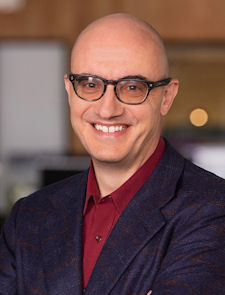
Andy Jordan is President of Roffensian Consulting S.A., a Roatan, Honduras-based management consulting firm with a comprehensive project management practice. Andy always appreciates feedback and discussion on the issues raised in his articles and can be reached at [email protected]. Andy's new book Risk Management for Project Driven Organizations is now available.


I was speaking to a colleague about this month’s theme of change management. He focuses on agile and has very negative views on the traditional waterfall approach to change. His perspective is that waterfall project methodologies go out of their way to try and minimize change, or at least make it as difficult as possible to do. He thinks that is entirely the wrong approach because the amount of uncertainty that inevitably occurs at the start of any project makes change inevitable. To quote him: “It’s going to happen, so you may as well embrace it.”
It is a slightly cynical approach, but I do understand where he is coming from. Agile projects embrace change as a way to develop a better solution--priorities shift during execution and features are iterated until they are accepted by the client. For projects where the requirements are better understood, or where there is less uncertainty, that degree of change is excessive.
Waterfall may well be a better approach to those initiatives, and change control (as opposed to management) is appropriate to prevent scope creep or similar challenges. However, the alternative to embracing change doesn’t have to be completely rejecting it, and that’s what I want to look at in this article--are there ways we can introduce more flexibility to waterfall projects without losing control of change?
…
Please log in or sign up below to read the rest of the article.
|
"Never hold discussions with the monkey when the organ grinder is in the room." - Winston Churchill |


