Innovation: Of Collision and Conflict
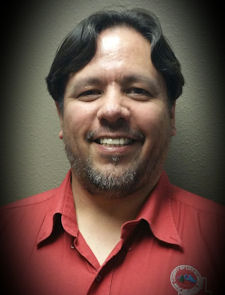
Michael Adams is a husband, and father to three boys. He currently works for Los Alamos County as an IT Business Analyst and Project Manager. He also operates a small business performing computer maintenance. Professionally, Michael has led a construction crew, worked as a caregiver for disabled adults, operated the wire for a brokerage firm on Wall Street, and run the night audit at a hotel. Michael was elected to serve as VP of Education for his local PMI board in 2013. He now serves as President Elect for his chapter, PMI Otowi Bridge. Check out his blog, PM-Interface, on ProjectManagement.com.


For several years, I’ve theoretically been a student of permaculture--an agricultural system or method that seeks to integrate human activity with natural surroundings so as to create highly efficient self-sustaining ecosystems. The reason I’m a theoretical student is that I’ve never created a permaculture system. I’ve read about permaculture, I’ve imagined and planned mini-ecosystems, I’ve visited permaculture gardens…but I’ve never attempted my own. Somehow, that activity is always displaced by career choices and family responsibilities. Maybe when I’ve retired and my kids pay their own bills, I’ll get to explore, first hand, some permaculture. Until then, I’ll live vicariously.
Many years ago, while watching late night TV, I stumbled upon a permaculture documentary. I wanted to escape insomnia, and I thought it might help me sleep. Rather, I raptly watched a Northern California family describe the transformation of their house and quarter-acre plot into a productive farm--and a thriving business. In that small space, they mixed the ingredients of detailed planning, practical science and innovation to create a bounty that supported them and inspired others by encompassing dozens of intriguing ideas and practices.
New and veteran project managers would benefit from a study of permaculture and its …
Please log in or sign up below to read the rest of the article.
|
"Men occasionally stumble over the truth, but most of them pick themselves up and hurry off as if nothing ever happened." - Winston Churchill |


