


Guessing is not a strategy: How to build decision velocity with AI and real-time data
June 10, 2026 | Live Webinar
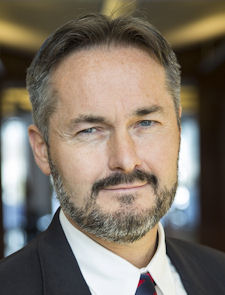
Graham Campbell, PMP, is a Global Vice President with EPPM expertise, focused on driving improved business performance. He is a member of the PMI Mile-Hi Chapter.


 Career Development
Governance
Organizational Project Management
Portfolio Management
Using PMI Standards
Career Development
Governance
Organizational Project Management
Portfolio Management
Using PMI Standards
In 2014, we took the bold step to make certification of all project managers a mandatory requirement across a global engineering organization with around 7,500 staff in 29 countries—a step not that common in the traditional, technically driven architecture and engineering industry. The results of this change have been stunning.
Before implementing the change, around only 5% of the PM population had any form of PM certification. In addition, professional project delivery was often seen as a poor second cousin, significantly behind technical excellence in priority for some of our project leaders and business line leaders. Our clients, however, were increasingly demanding excellence in both a technical solution and project delivery capability—and beginning to award new larger contracts accordingly to those technical firms with a reputation for certainty of delivery.
Today, over 60% of our PMs have a PM certification—primarily PMP®, APMP (in the United Kingdom) or CCM (construction sector), with the remainder of PMs on a training plan for the organization to achieve over 90% certification.
Mandatory PM certification was a centerpiece in an organizational change program that embraced an enterprise project portfolio management (EPPM) approach to drive business improvement in the project delivery function that focused enterprise wide on a common …
Please log in or sign up below to read the rest of the article.
|
"He felt that his whole life was some kind of dream, and he sometimes wondered whose it was and whether they were enjoying it." - Douglas Adams |