Rethinking Resilience
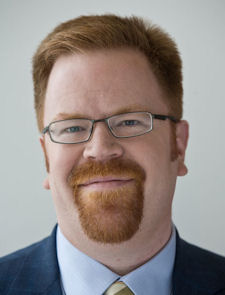
Mark Mullaly is president of Interthink Consulting Incorporated, an organizational development and change firm specializing in the creation of effective organizational project management solutions. Since 1990, it has worked with companies throughout North America to develop, enhance and implement effective project management tools, processes, structures and capabilities. Mark was most recently co-lead investigator of the Value of Project Management research project sponsored by PMI. You can read more of his writing at markmullaly.com.


Resilience is important. That’s what we’re told over and over again, especially now. The measure of the viability of an organization, of an industry, of a community—and yes, of a person—is how resilient they are.
A quick scan of the headlines will tell you that resilience is key. That you need to grow your resilience. That building resilience should be a priority for 2021. That there are skills associated with resilience. That there are domains associated with resilience. That if you aren’t resilient, then you simply aren’t going to make it.
Anyone who hangs out with me for a short period of time will know that words matter in my world. So, let me share with you a really important bit of knowledge: Resilience doesn’t mean what you think it does.
Sorry to burst that balloon, but I think it’s important that we are clear from the outset. In particular with regards to the idea of resilience, we are anything but clear. That is going to be problematic going forward. If the argument is that resilience should be your overarching priority for the year, then you aren’t going to want to get that wrong.
Resilience is one of those very interesting words that we come upon every once in a while, where we think that we know what it means. We are led to that perception, because that’s the way everyone else uses it as well. …
Please log in or sign up below to read the rest of the article.
|
"We are ashamed of everything that is real about us; ashamed of ourselves, of our relatives, of our incomes, of our accents, of our opinions, of our experience, just as we are ashamed of our naked skins." - George Bernard Shaw |


