So Who Needs Maturity, Anyway?
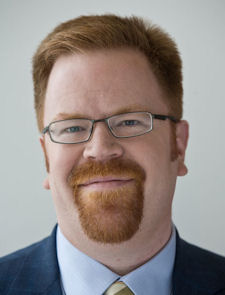
Mark Mullaly is president of Interthink Consulting Incorporated, an organizational development and change firm specializing in the creation of effective organizational project management solutions. Since 1990, it has worked with companies throughout North America to develop, enhance and implement effective project management tools, processes, structures and capabilities. Mark was most recently co-lead investigator of the Value of Project Management research project sponsored by PMI. You can read more of his writing at markmullaly.com.


In last month's column, we reviewed the various forms of project management assessment that exist within the marketplace. This month, we focus specifically on project management maturity models: What are they? What do they do for me? Why should I care?
Let's start with an understanding of what we mean by maturity. If we look at the Oxford Concise Dictionary for an answer, it suggests "developed fully" and "duly careful and adequate." The intersection of these two meanings represents perfectly what a project management maturity model should do for an organization: "Define the means by which project management is developed fully enough for projects to be managed adequately and with due care."
Fundamentally, a maturity model's purpose is to identify a path forward in being able to attain this goal. Any organization should be able to identify those capabilities and approaches that will allow them to manage successfully and reliably. A maturity model should provide them with the support and guidance necessary to evaluate their performance today and identify the next steps forward in realizing these capabilities.
The problem with several frameworks that claim to be maturity models today is that they have no recognition that what is appropriate for one company may be completely inappropriate for another. These models define a single goal for all organizations, with a single …
Please log in or sign up below to read the rest of the article.
|
If trees could scream, would we be so cavalier about cutting them down? We might, if they screamed all the time, for no good reason. - Jack Handey |


