Emotional Intelligence for Project Managers
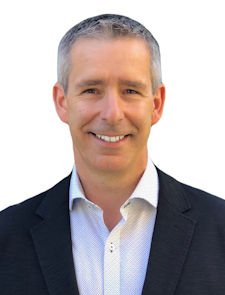
Mike Griffiths is an experienced project manager, author and consultant who works for PMI as a subject matter expert. Before joining PMI, Mike consulted and managed innovation and technology projects throughout Europe, North and South America for 30+ years. He was co-lead for the PMBOK Guide—Seventh Edition, lead for the Agile Practice Guide, and contributor to the PMI-ACP and PMP exam content outlines. Outside of PMI, Mike maintains the websites www.LeadingAnswers.com about leading teams and www.PMillustrated.com, which teaches project management for visual learners.


In my last article "Unleashing the 'Pow!' in Power Skills," we examined the general topics of motivation and productivity along with the links among emotional intelligence, leadership and power skills. Now it's time to dig into emotional intelligence and see how it relates to the project manager role.
What is Emotional Intelligence?
Emotional intelligence is the science (or pseudo-science, the critics claim) of understanding ourselves and others. It covers both recognizing and regulating our feelings and working effectively with others.
Some people are put off by the "emotion" part of the name, perhaps thinking it too soft for their serious work of getting tasks done. This is a shame; all leadership is built on emotional intelligence. To help elevate these topics, PMI has begun calling soft skills and emotional intelligence "Power Skills" to emphasize their significance (see Pulse of the Profession® 2023: Power Skills, Redefining Project Success).
There are several emotional intelligence models in everyday use. Unfortunately, they use slightly different names to describe similar concepts, so the terminology can get confusing. In this explanation, we will use standard terms to explain ideas. Instead of terms such as "self-actualization," we will use "learning what you are good at and developing those skills.&…
Please log in or sign up below to read the rest of the article.
|
"Why is it that people rejoice at a birth and grieve at a funeral? It is because we are not the people involved." - Mark Twain |


